






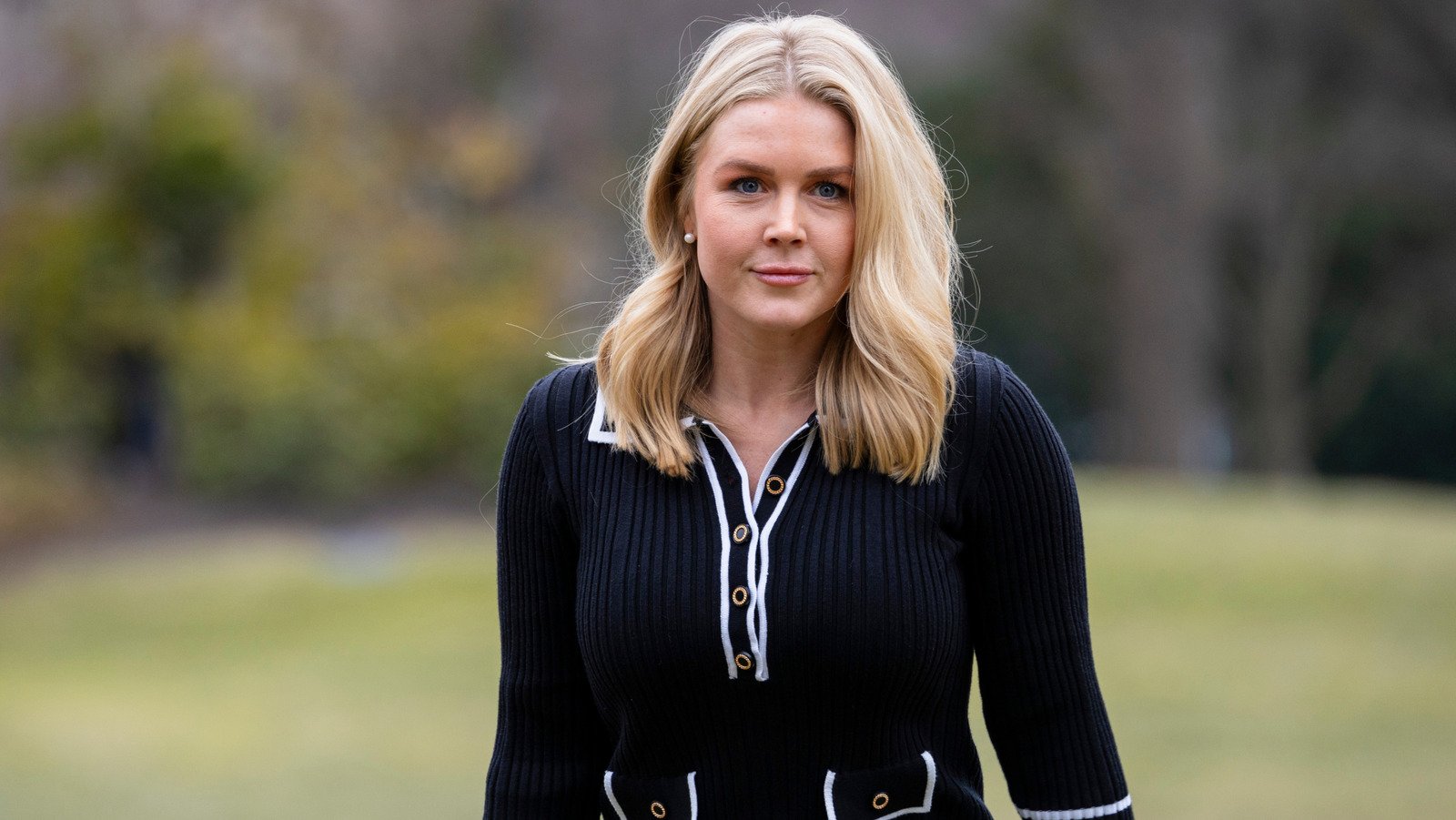
There’s something oddly theatrical about political wardrobes. A scowl can be softened with a scarf; a message can be underscored by a lapel pin. So when Karoline Leavitt stepped out in that pale, candy-floss pink outfit recently, it wasn’t just a look — it was a statement. Or maybe a misstep. Depends who you ask, and honestly, I change my mind a few times while watching these things.
A nod to Umbridge — but not the flattering kind
Remember Dolores Umbridge from the Harry Potter movies? She’s the one who wore layers of pink while being quietly awful. The comparison is obvious here: a fluffy, sweet-sounding shade masking something sharper underneath. Leavitt’s outfit was less “Barbie meets press secretary” and more “stuffy schoolteacher who grades on a curve nobody asked for.” The pink wasn’t the glossy, high-fashion Barbie pink that reads playful; it was what some people call “sickly pink” — a washed-out, almost cloying tone that can make an outfit look both dated and oddly severe.
There were bows — lots of little bows. Tiny black ribbons at the neck, matching buttons with bow motifs, a jacket cut that screamed prim and proper. On paper, these feminine touches could be charming. In practice, when paired with the blunt, practiced delivery Leavitt has at the podium, the ensemble felt dissonant. Cute details met bureaucratic posture. The effect? A kind of dizzying mismatch: soft fabrics and sharp talking points. It’s the fashion equivalent of listening to someone smile through a sentence and then dismiss a concern without answering it. You notice the contrast, and then you can’t unnotice it.
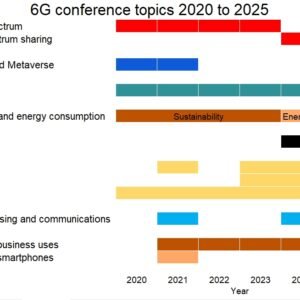
Also read: 6G: A Shifting Landscape, Although 5G is still evolving
The outfit and the optics
Fashion in politics is never just fashion. It’s shorthand — whether intentional or accidental — for how someone wants to be read. Leavitt has cultivated a very specific public persona: polished, defensive, and unapologetically combative when needed. So when she chooses a look that leans heavily into girlishness, the optics do double duty. Some viewers see a playful, approachable press secretary embracing a retro look. Others see performative sweetness layered over an aggressive political stance. The latter reaction is loud and not easily ignored.
I’ll admit: I found myself torn. There’s a part of me that appreciates the confidence it takes to pick a distinctive look and own it in a very public setting. Another part of me thinks the color and details were an odd call for someone whose whole job is about projecting control and authority. Maybe that tension is deliberate. Maybe it’s accidental. Either way, it calls attention — and in politics, attention is currency.
Not everyone shops the same way

Clothing choices also reflect the people who make them. Leavitt reportedly works closely with designer Christopher Cuozzo, who says she often gives him free rein over color and details. That rings true when you look at the jacket: labeled lapels, precise buttons, a clearly curated silhouette. It suggests collaboration and planning rather than a last-minute wardrobe grab. So, you can pin the blame — or the credit — on a stylist or on Leavitt herself. Both are fair.
But style and politics mingle awkwardly in retail spaces, too. Not every boutique is thrilled to dress someone who’s vocally tied to a polarizing administration. There are anecdotes about store employees feeling uneasy about who they serve. A Tuckernuck worker, for example, reportedly said they struggle with serving Leavitt because her role runs counter to their personal values. That’s unsurprising. Retail is a people business, and people bring their politics with them — sometimes quietly, sometimes loudly. It’s a reminder that public figures don’t just wear clothes; they exist in a web of other people’s perceptions and choices.
Also read: The Erika Kirk Story — Fame, Grief, and the Questions Left Hanging
A divided reaction
Of course, reactions weren’t all critical. Some in fashion circles praised Leavitt’s look as tasteful and well put together. Designers who’ve worked with her described a woman willing to experiment, to leave decisions to experts while still having a strong say. That kind of teamwork can produce polished results, which explains why a portion of the public sees nothing wrong with her outfits at all.
And then there’s the typical divide: people who admire her for defending the administration versus people who resent her for the same reason. Fashion becomes another line in that sand. To supporters, she’s stylish and effective; to detractors, the outfit is an extension of an unwelcome propaganda apparatus. Neither reaction is purely about fabric or cut — they’re about narrative. Clothes become symbols, and the symbols grow teeth.
Why this matters (or maybe doesn’t)
You can argue that talking about someone’s jacket distracts from policies and real-world consequences. That’s a fair point. Wardrobe is, by definition, superficial. But if clothing choices help craft a persona that interacts with the press and the public, then they matter — even if indirectly. Style helps set tone. Tone shapes perception. Perception influences trust. It’s a small chain, but it exists.
Still, there’s another side: maybe this is just a pretty jacket people want to talk about because it’s an easy stand-in for larger frustrations. Maybe we’re reading too much into a color and a few bows. Both could be true. That ambivalence keeps the conversation going, in fits and starts — and I confess I enjoy that a little. The spectacle gives us something to pick apart besides policy memos, which is part of human nature, I guess.
The pale pink jacket — bows, buttons, and all — didn’t land for everyone. It walked a fine line between whimsical and weird, between quaint and calculated. Whether you see it as a fashion-forward choice or a miscalculation probably depends on where you stand politically and how much you care about the language of clothes. Me? I’ll keep watching. Fashion in politics rarely stays just about clothes for long.









Leave a comment