
![Armed robbers evade Adegbodu Twins’ home days after Taiwo’s burial [VIDEO]](https://wowplus.net/wp-content/uploads/2026/04/armed-robbers-evade-adegbodu-twins-home-days-after-taiwos-burial-video-680x408.jpg "Adegbodu Twins Robbery Scare Leaves Family Shaken Days After Taiwo’s Burial 4")


![‘I had crush on Tiwa Savage, she introduced me to Backy’ – Crayon reveals [VIDEO]](https://wowplus.net/wp-content/uploads/2026/04/i-had-crush-on-tiwa-savage-she-introduced-me-to-backy-crayon-reveals-video-680x383.jpg "Crayon Opens Up About Tiwa Savage Crush and a Moment That Changed His Habits 29")
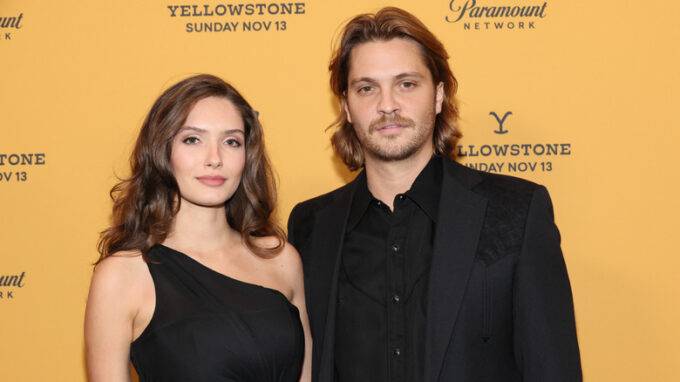

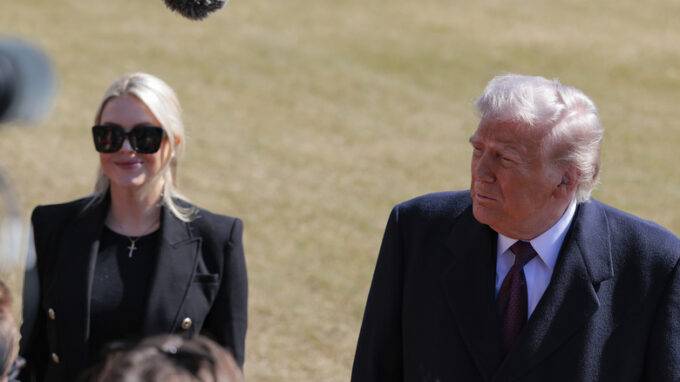




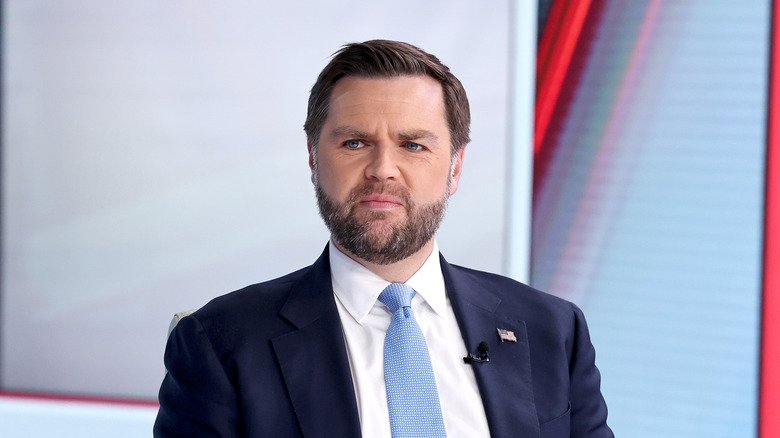
They were on live TV, smiling and trying to be relaxed, and then something small happened that set off a bigger reaction. JD and Usha Vance appeared on My View with Lara Trump to talk about life in the vice presidency — more than a year into it. The tone was light, the kind of friendly banter you see from couples who’ve been through hectic schedules and public events, and then a joke went sideways.
A casual moment turned tense
Lara Trump asked what advice the couple would give their past selves if they could go back. JD started off with a pretty ordinary line about learning to accept the chaos that comes with the job. Usha echoed him, smiling, saying she would tell herself the same thing. Then JD cut in, half teasing and half teasing too hard: “Okay, sorry. I’m gonna answer first, so I’d steal all of her good answers so she has nothing to say.” A small quip, maybe meant to be playful. But the room went quiet. Viewers online didn’t take it as playful at all.
People reacted quickly on social media. Some called him “super obnoxious.” Others said he sounded like he was trying too hard to be funny and ended up sounding like a jerk. A few people—harsh, maybe—took it as another sign of a cold or performative marriage, and some expressed hope that Usha would put him in his place. It’s loud out there; reactions were swift and not gentle.
This wasn’t an isolated incident
This isn’t the first time JD’s public teasing of Usha has raised eyebrows. Earlier in his term, while addressing a crowd in Michigan, he made a comment that landed in much the same way: noting that because cameras were rolling, Usha had to smile and laugh at whatever he said, no matter how “crazy.” That line—trying to be amusing—made people wince because it framed her as someone who just has to perform happiness on demand.
Also read: Rumors, Flights, and Old Messages — The Strange Stories Swirling Around Erika Kirk
There’s a pattern in these moments: JD’s jokes tend to use Usha as the foil. Sometimes it looks like he’s genuinely laughing with her; other times it reads as him putting her on the spot. The difference is subtle but important, and audiences notice it. And when the public sees the same pattern more than once, it starts to shape a narrative.
Why people get upset about jokes like these

We shouldn’t overstate things—flirting, teasing, joking: those are normal in relationships. But public teasing can feel different. There’s an asymmetry when one partner’s quips make the other partner the subject of the joke, especially on national television. People pick up on power dynamics, even if they’re small. If it becomes a habit, it can look like a lack of respect or emotional care.
Matchmakers and relationship pros often point out that repeatedly embarrassing your partner in public can erode trust and safety in the relationship. One expert noted that even if the intent isn’t malicious, the effect can be discomfort or unease for the partner who’s put on the spot. Over time, small humiliations add up, and that’s what worries people watching from the outside.
It’s about tone and follow-up
A key point that keeps being missed in public reactions is the follow-up. If someone makes an awkward joke and then notices it landed badly, apologizing or smoothing things over can change everything. A quick “sorry, that came out wrong” or an obvious effort to make your partner feel comfortable again signals awareness and care. Doubling down, or brushing it off as “just a joke,” often makes things worse.
That goes for anyone in the spotlight—or frankly, anyone in a relationship. Ask yourself why you said something, whether it’s necessary, and whether it’s kind. If it hurts someone, acknowledge it. If you’re on the receiving end, you need to speak up too: let your partner know you didn’t like it. Otherwise the pattern keeps repeating.
A bigger picture, with some personal take
I watched clips of the interview and, yeah—I rolled my eyes. Maybe I’m more sensitive to this kind of thing because I’ve been in conversations where jokes about someone else turned awkward fast. You can tell when a comment is meant to be playful and when it’s meant to score a laugh at someone else’s expense. Here, it felt like JD was reaching for a laugh and misjudged the room — or misjudged his partner.
Also read; John F. Kennedy’s Alleged Affairs: The Women Linked to America’s 35th President
Still, it’s easy to jump from one comment to dramatic conclusions about a marriage. People online love a narrative: where there’s a clip, there’s a story. That’s understandable, but also dangerous. Public moments don’t always reflect private reality. Maybe they have a good relationship off-camera and these are just clumsy attempts at humor. Or maybe there’s something else. I don’t know, and neither does anyone else watching a thirty-second clip.
What could change the perception?
Two things, really. One: more sensitivity in public moments. If you are the one people are watching, think twice before making someone else the butt of a joke—even if you mean it lovingly. Two: quick, visible repair when a joke lands poorly. A partner who takes a moment to check in, make light of their misstep, or simply move the conversation away from the awkwardness can defuse a lot of negative attention.
At the end of the day, people want to see respect in relationships, especially from public figures. It’s not about being perfect; it’s about being aware and considerate. A small change in habit—less teasing, more care—would probably calm a lot of the reaction. Or not. Maybe they’re fine, and this is just a thing blown up online. Either way, the clip opened a conversation about how we treat our partners in public, and that’s worth paying attention to.




![Armed robbers evade Adegbodu Twins’ home days after Taiwo’s burial [VIDEO]](https://wowplus.net/wp-content/uploads/2026/04/armed-robbers-evade-adegbodu-twins-home-days-after-taiwos-burial-video-200x120.jpg "Adegbodu Twins Robbery Scare Leaves Family Shaken Days After Taiwo’s Burial 148")





Leave a comment