
![Blessing CEO auctions her properties to raise funds for cancer treatment [VIDEO]](https://wowplus.net/wp-content/uploads/2026/03/blessing-ceo-auctions-her-properties-to-raise-funds-for-cancer-treatment-video-680x680.jpg "Blessing CEO Cancer Fundraising Takes New Turn as She Auctions Personal Belongings 5")
![Blessing CEO solicits financial help amid battle with breast cancer [VIDEO]](https://wowplus.net/wp-content/uploads/2026/03/blessing-ceo-solicits-financial-help-amid-battle-with-breast-cancer-video-680x389.jpg "Blessing CEO Breast Cancer Appeal Sparks Concern as She Asks for Public Support 6")


![King Mitchy’s apology decoy to attack me – VDM raises alarm [VIDEO]](https://wowplus.net/wp-content/uploads/2026/03/king-mitchys-apology-decoy-to-attack-me-vdm-raises-alarm-video-680x408.jpg "VeryDarkMan Raises Alarm Over King Mitchy Apology, Says Something Feels Off 9")

























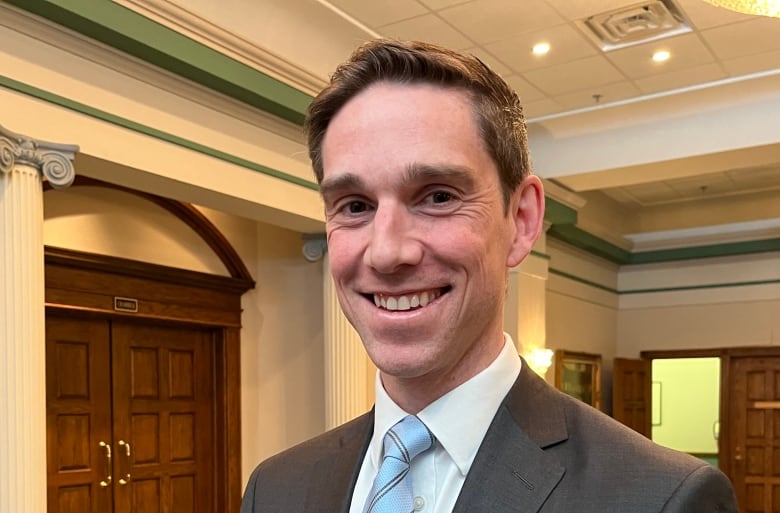
Clare’s Law, which allows people worried for their safety to discreetly ask for information about their partners’ criminal history, will soon be enacted in Newfoundland and Labrador, according to the province’s justice minister.
“We did some final stakeholder consultations at the beginning of this year, which has now been completed,” said Hogan Wednesday.
Hogan said the province is in the process is drafting regulations and building a website to educate people on how to use Clare’s Law, which is also referred to as domestic violence disclosure.
“We know what it’s going to look like now. So we’re anticipating having that finalized — I know people have been waiting for a little while — sometime this summer,” Hogan said.
The legislation passed in 2019 but has not yet been proclaimed in the House of Assembly.
Newfoundland and Labrador is one of four provinces that have passed, or are in the process of passing, legislation that allows women and men greater information about their risk with their current partner by authorizing a police service to disclose certain information to a current or former intimate partner.
Other jurisdictions have proven that the law is not without its shortcomings — for example, in Alberta, advocates have lamented big backlogs with some people waiting more than three months for disclosure on their partners.
Hogan acknowledges Clare’s Law is “not the be all end all,” but said it will allow women more information to make an informed decision.
Hogan said the greatest challenge in pushing the legislation forward was balancing a person’s right to privacy with their partner’s right to know.
“That was why consultations did take some time and very specific questions and consultations around what can be disclosed and how it can be disclosed and through what mechanisms, the RNC, the RCMP to individuals that make that request,” he said, adding the province did consult with the privacy commissioner for input.
“It was a bit of a delicate balancing act, but we feel that we’re in a good place.”
Gives police more freedom
Malin Enstrom, associate executive director of the Iris Kirby House in St. John’s, said the law also allows the police to connect with a person before they become another domestic violence statistic.
“It gives [police] a lot more freedom and opportunity to actually reach the victim before it escalates to something very serious, to say, ‘This is this person’s past behaviour and we can see that you potentially falling into a very potentially dangerous situation,'” said Enstrom.
Enstrom previously served as an analyst with the Royal Newfoundland Constabulary’s intimate partner violence unit. She thought she had seen it all — until she started in her role at the St. John’s shelter.
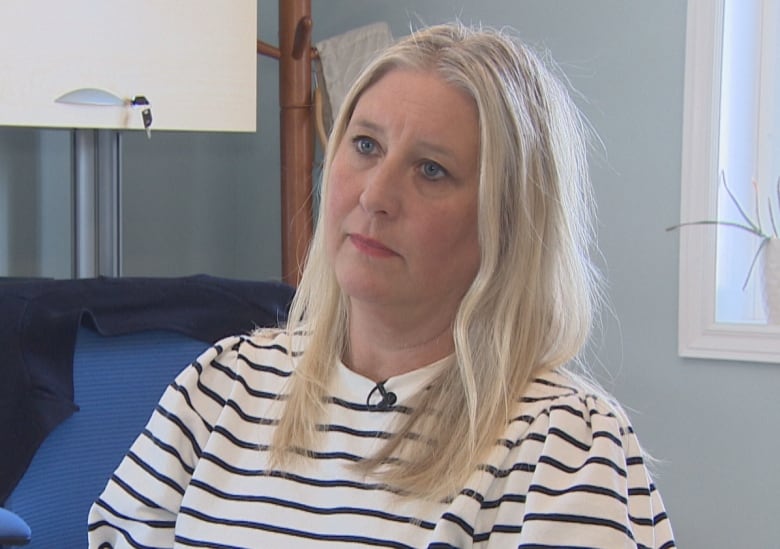
She said there are concerns that the legislation may provide a false sense of security. In many cases, intimate partner violence is never reported. And if there is no report on file, a person applying through Clare’s Law may believe they’re safe.
However, Enstrom said she has no doubt it will be beneficial to the women she sees every day.
“We see a lot of our residents sharing similar stories with the same abusive partner. That is something that we see a lot. So I think this is going to be a very beneficial, I think [they are] forms that we are going to fill out weekly.”
Hogan did not provide details on how the legislation will work in the province because “we do have to go through the final government processes before the regulations are made public.”
If you need help and are in immediate danger, call 911. To find assistance in your area, visit sheltersafe.ca or endingviolencecanada.org.
Read more from CBC Newfoundland and Labrador











Leave a comment