





Dozens of community and Indigenous groups across British Columbia and the Prairies will share $20 million in federal funding to boost the mental health and drug awareness, treatment and rehabilitation services they offer.
The money is to be shared between 42 local drug-related programs across B.C., Alberta, Manitoba, and Saskatchewan, Canada’s Mental Health and Addictions Minister Carolyn Bennett announced on Thursday.
The minister was in Squamish, B.C., where she visited two addiction treatment centres, including one for youth.
“The announcement and the kinds of investments we are making is really to be able to do that investing directly in the community and then being able to prove the concept of what’s working and what’s not working,” Bennett told a news conference.
The money will flow through Ottawa’s Substance Use and Addictions Program, with Alberta to receive more than $3.9 million, B.C. $11.2 million, Manitoba over $3.2 million and Saskatchewan about $1.9 million.
Bennett said local organizations that have the trust and understanding of residents are often best suited to offer addiction and mental health services.
Addiction is a nationwide issue, with many families experiencing death, trauma and pain associated with substance-use disorders, Bennett said.
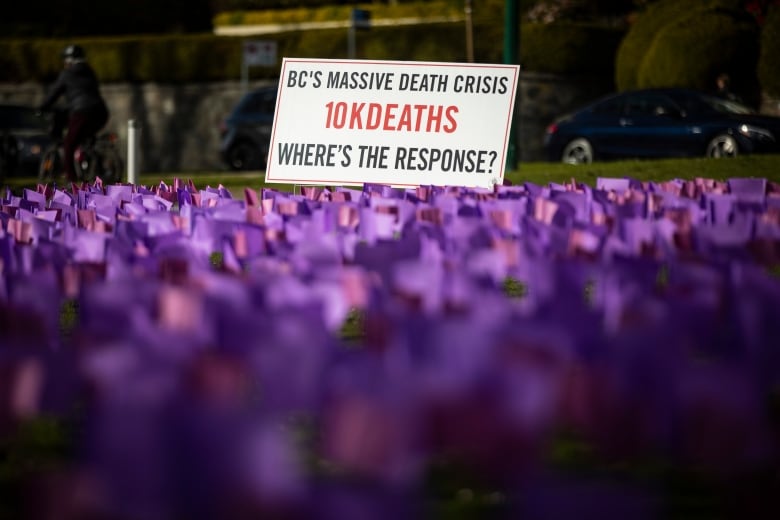
She said more than 2,300 people in B.C. died of poisoned drugs last year, according to the B.C. Coroners Services and the crisis extends across the country.
“In the most recent national data there were 20 opioid toxicity deaths every single day in 2022 in Canada,” the minister said.

In B.C., advocacy group Moms Stop the Harm will receive federal dollars to run in-person and online support workshops for people whose family members are struggling with substance-use issues and those who have lost loved ones to poisoned drugs.
The Fort McMurray 468 First Nation in Alberta is among the 42 groups receiving funding to develop a community-led Indigenous treatment program.
In Manitoba, the funding is set to help improve patient access to addiction medicine at walk-in clinics in Brandon, while the same rapid services will be provided by mobile units serving Swan River, Russell and Virden.
In Saskatchewan, a complex chronic pain service in Regina is receiving funding to support people who are at risk of using opioids or are experiencing opioid dependency.
“It is about understanding the psychic pain of residential school or child abuse or the physical pain of falling off a roof or
being in a car accident,” Bennett said.
“It is about people needing support, not judgment.”
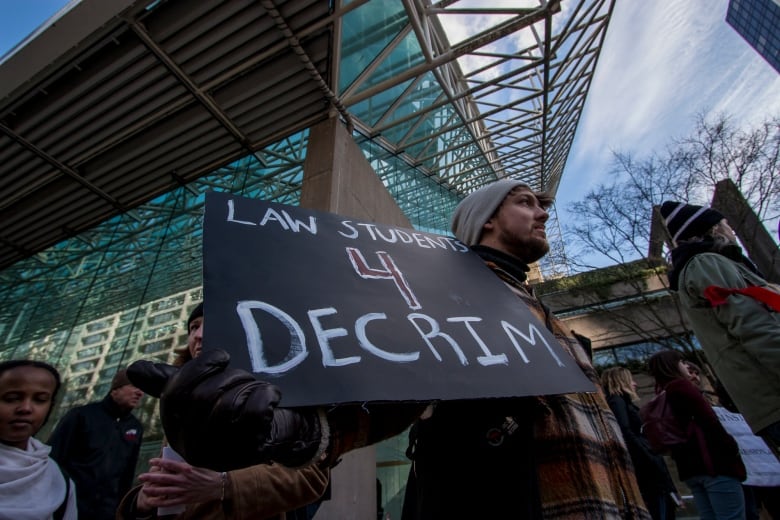
Bennett said she’s concerned about recent political criticism of B.C.’s drug decriminalization pilot program that allows people to legally possess small amounts of hard drugs for personal use with the aim of reducing stigma and overdose deaths.
The pilot began on Jan. 31 and will last for three years.
“I am very worried that the politicization of this is getting in the way of helping people,” the minister said.
“It’s about keeping people alive long enough to be able to see the hope. There is absolutely no recovery for people who are dead.”


Terry Paul
Paul Terry is a publisher and an author in wowplus.net and other news channel


