
![‘I was under pressure’ – Chris Okafor makes U-turn, withdraws apology to Doris Ogala [VIDEO]](https://wowplus.net/wp-content/uploads/2026/03/i-was-under-pressure-chris-okafor-makes-u-turn-withdraws-apology-to-doris-ogala-video-680x408.jpg "When an Apology Backtracks: Chris Okafor, Doris Ogala, and the Messy Middle 1")



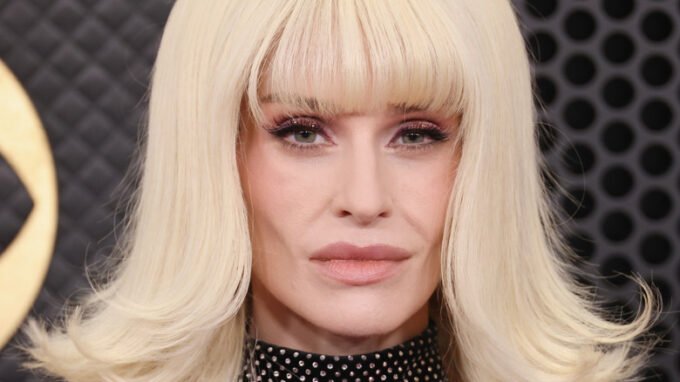
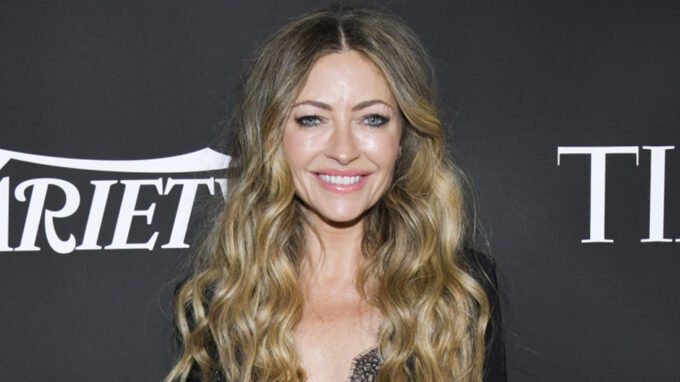
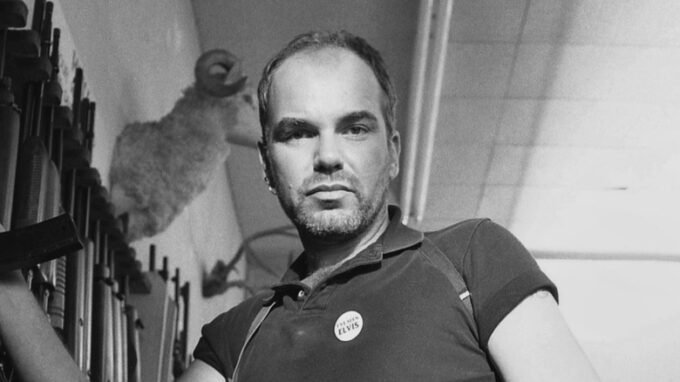
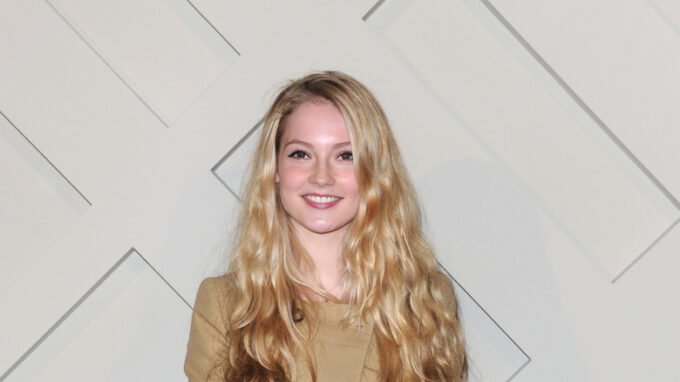









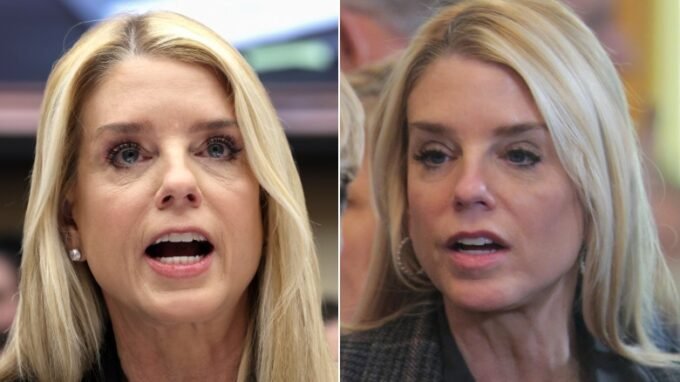
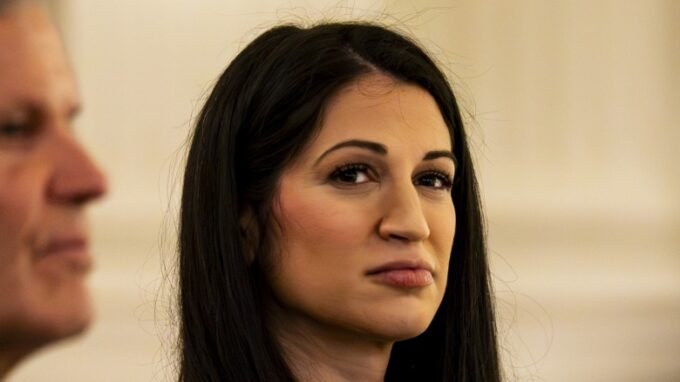

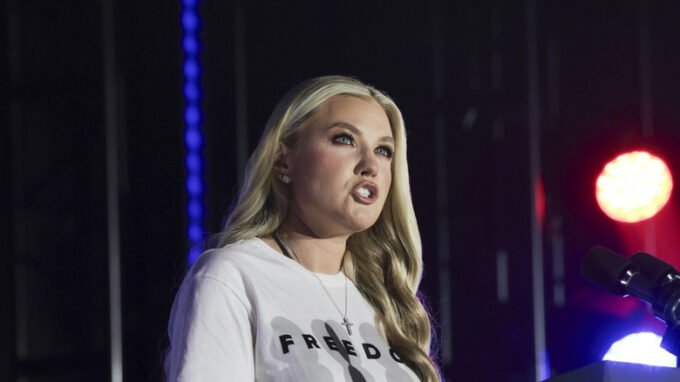
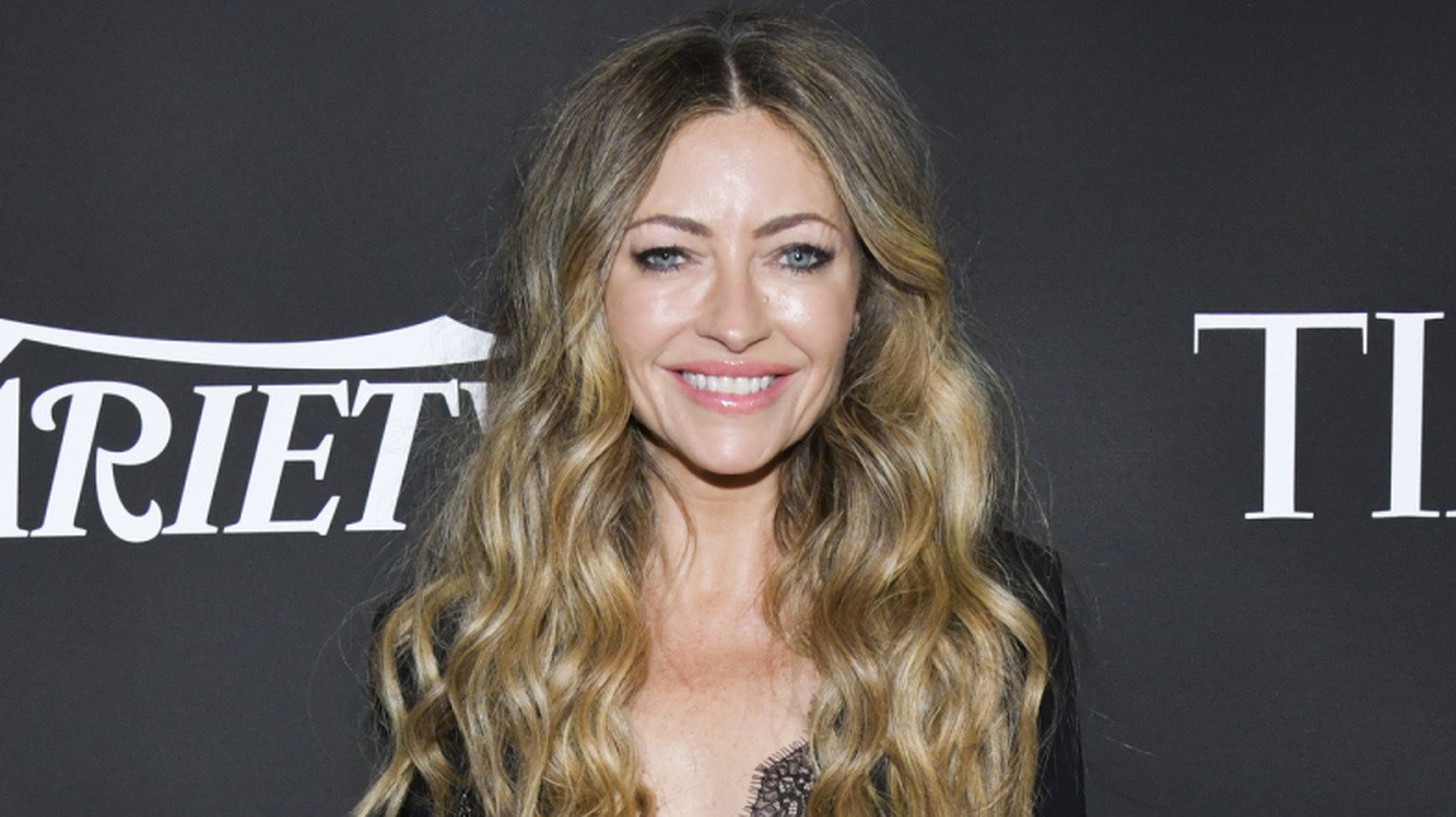
Rebecca Gayheart has been on people’s radar since she was the Noxzema Girl, and — well — she’s still on people’s radar, obviously. Faces shift, fame shifts, and the stories around both shift too. Lately, she’s been more upfront than most about changes to her face, the operations themselves, and why she felt she needed them. It’s a small drama of celebrity life, but also a human story about grief, responsibility, and the way we try to hold ourselves together.
Owning It, Sort Of
Gayheart has not hidden that she’s had cosmetic procedures. In a world where lots of actors quietly get work done and rarely say a word, she’s chosen a different route: honesty. She’s spoken publicly about what she had done and why, and even appeared with a well-known Beverly Hills surgeon in a video to show off the results. That surprised some people — not because she had surgery, but because she talked about it so plainly.
Her reasoning, as she explained on a podcast, was simple if a bit raw: we shouldn’t pretend we aren’t aging. That phrasing felt refreshingly blunt to me — like someone saying what everyone knows but often refuses to say out loud. She also admitted that life had taken a toll on her face: grief and stress can wear people down faster than time alone. That’s a candid admission, and it helps explain why she didn’t view these procedures as vanity alone.
Also read: Billy Bob Thornton: What His Exes Say
What Changed, and Why It Matters
You’ll see two types of reactions online. One group says they still recognize the 1990s Noxzema Girl in her features, and maybe they do; there’s a thread of familiarity that some faces keep even after adjustments. Others praised what they saw as a tasteful, subtle enhancement — “not overdone,” as one person put it. That’s the tricky thing about cosmetic work: it can be made to look invisible, or it can shout. People loved that hers seemed to aim for the former.
But there’s another side: Gayheart also became a full-time caregiver in recent years, caring for her husband during his illness. That period exhausted her, emotionally and physically. She spoke about doing the insurance battles, the daily care, raising two daughters, and carrying the weight of it all. Those stresses, she says, accelerated the visible signs of aging. So the surgeries weren’t just about looking younger; they were a way to reclaim some control after years of feeling like life was dictating terms.
A Little Public, a Little Private
The public nature of her life means every change gets commentary. Some fans leave supportive notes: they like the honesty, they think the result is beautiful. Others push back, either skeptical that surgery is to blame for changes, or insisting the old version is the real one. Gayheart seems less defensive than you might expect; she admits she doesn’t look the same to herself, and she’s okay talking about that. That kind of openness is uncommon in celebrity circles, where silence is the default.
Still, there’s an interesting tension: when someone is candid about such choices, it invites both compassion and scrutiny. Fans can praise. Critics can nitpick. Either way, talking openly changes the conversation. It shifts it from secrecy — the usual celebrity norm — to a more public negotiation about aging, appearance, and expectations. I think that’s worth noting, because it nudges the broader culture a little. Not huge, but it nudges.
Grief, Caregiving, and the Decision to Alter One’s Look
It’s easy to reduce the story to before-and-after pictures, but that would miss the context. Gayheart’s husband faced a brutal illness, and she stepped into caregiving fully. That role can sap energy and change how you see yourself in the mirror. She’s said as much: that the gravity of the situation hit hard and fast. When you’re carrying such a load, looking in the mirror can feel political, practical, and intimate all at once. Deciding to have cosmetic work then becomes way more than skin-deep.
Also worth saying: these choices are messy. People often want a tidy explanation — vanity, regret, ego — but here there’s grief and fatigue and the economics and expectations of Hollywood. Those factors don’t line up neatly, and they shouldn’t have to. Life is messy, and sometimes so is the face we present to the world.
Also read: Billy Bob Thornton: What His Exes Say
How People Responded
The response online was mixed, as expected. Plenty of fans applauded her straightforwardness; others said they still saw the old Rebecca in her photos. Some called the results tasteful; others were indifferent. That mix feels right. If everyone agreed, I’d be suspicious. Human reactions are varied, and there’s no single “correct” take. I found myself appreciating that she was willing to speak openly, even if I don’t have a strong opinion on the aesthetic outcome. It’s the honesty that stuck with me.
Final Thoughts
Rebecca Gayheart’s story here isn’t just about a face changing. It’s about how life — illness, caregiving, the pressure of public visibility — alters both how we feel and how we choose to present ourselves. Her decision to talk openly about cosmetic procedures shifts the usual celebrity script a bit. It’s not a dramatic manifesto, but it is one person refusing to pretend everything is untouched and flawless. She’s allowed to choose, to change, and to say why. That candidness matters, because it lets the conversation be, well, human.









Leave a comment