
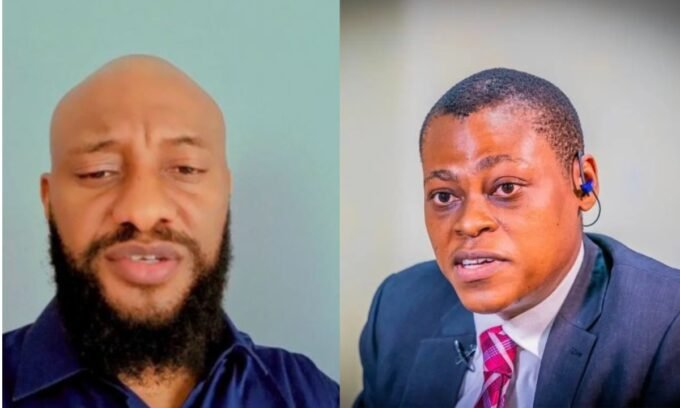








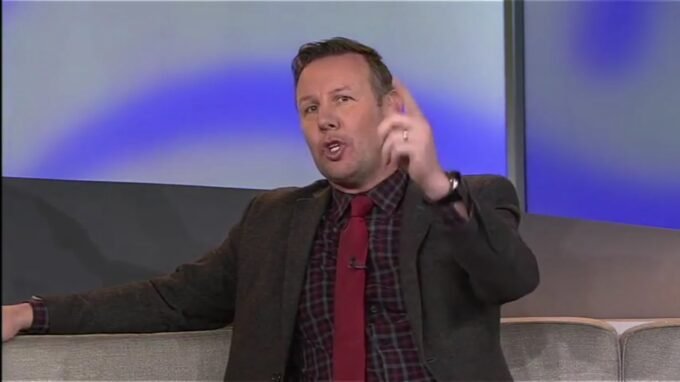
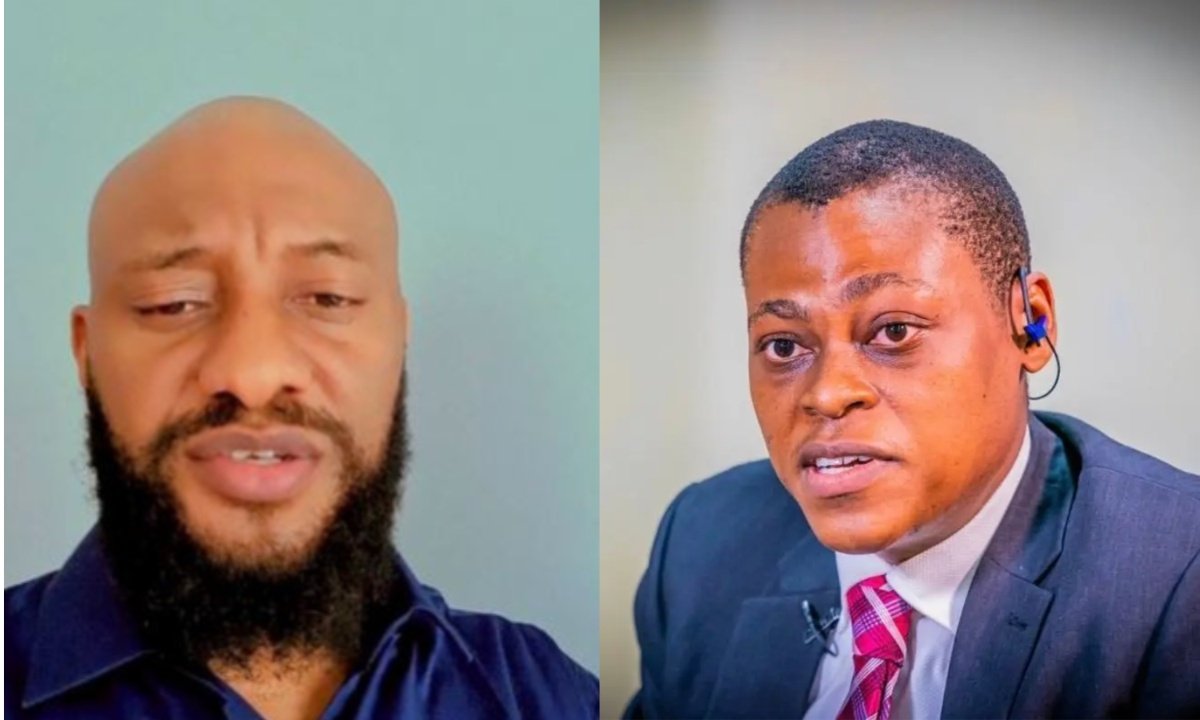
There’s a short viral clip doing the rounds, and it’s one of those moments that makes you pause — partly because it’s loud, partly because it’s petty, and partly because it feels… human. Nollywood actor Yul Edochie is on camera taking aim at Arise TV anchor Rufai Oseni. The charge? That Oseni has no right to lecture politicians or guests when he himself acted poorly in public. It’s less a polished statement and more a public airing of frustration — with a few sharp edges.
A snapshot of the exchange
Edochie brings up an incident in Lagos where, he says, Oseni was caught driving in a BRT lane — one of those clear traffic rules meant to keep buses moving. When officials confronted him, Edochie says, Oseni didn’t say sorry. Instead, he allegedly shouted something like, “Do you know who I am? I’m going to call the governor.” That’s the version being repeated online, and Edochie leans into it hard: he points out that Oseni only apologized after someone recorded the incident and shared the video. The implication is obvious — without the camera, there would have been no apology, and that speaks to character.
I’ll admit, I found that angle believable. People often behave differently when they think no one is watching. Still, you can see why this is sensitive: a journalist or presenter who calls out others is expected to hold themselves to the same standard. If they don’t, hypocrisy bites back — and quickly.
Also read: Roadblocks Can’t Be Used to Collect Taxes Anymore
On manners and the studio vibe
Edochie then moves from the BRT incident to the way Oseni treats guests on air. He accuses him of being rude, of putting guests in uncomfortable positions, and of responding to discomfort not with apologies but with dismissals. “If a guest is not comfortable, the first thing you do is apologise and make the guest feel at ease,” Edochie says. Instead, he claims, Oseni has told people they’re free to walk out of the studio if they don’t like the tone.
That’s not exactly a subtle rebuke. And sure, interviews can get rough — that’s often how real stories come out. But there’s a line between tough questioning and making someone feel humiliated. If you press someone hard, you owe them a degree of respect afterwards. Maybe I’m being soft here, but public figures, whether journalists or actors, don’t get a pass to be needlessly abrasive.
Confrontation vs. journalism
The actor labels Oseni’s style “not journalism.” He points to insult and confrontation on national TV as problems. That’s an interesting claim because journalism is not one thing — it’s a messy field with many approaches. Some interviewers are combative by design; others try to be conversational. Yet, the moment you start calling people names or deliberately humiliating them, it stops being about information and starts being about spectacle. And yes, spectacle sells — but it doesn’t always serve the public.
You might disagree and say hardball tactics expose lies. Fair. But there’s a cost. The more personal the attack, the less we may trust the motive behind it. Is the aim to inform or to score a viral moment? Edochie’s point is less about interview format and more about integrity: if you set yourself up as judge and conscience, your own behavior will be judged in turn.
Defending the presidency — or asking for patience?
The clip takes another turn when Edochie defends President Bola Ahmed Tinubu. He tells critics to show respect and to give the administration time. “Jagaban President Bola Ahmed Tinubu is the President of Nigeria, whether you like it or not. He is our President, you must respect him,” he says, adding the now-familiar “Rome wasn’t built in a day” plea for patience.
That line will land differently depending on your politics. To some, it’s a reasonable call for unity and a reminder that governance takes time. To others, it may sound like a demand for unquestioning deference, especially at a moment when people expect accountability. I find myself somewhere in between: yes, new administrations need breathing room; but yes, citizens and journalists also have a duty to ask tough questions. Those two things aren’t mutually exclusive, even if Edochie’s tone makes it feel a bit like they are.
Also read: When the Uniform Meant Danger: My Father’s Story
Small contradictions, bigger picture
The whole episode is a little messy. Edochie condemns what he sees as Oseni’s disrespect, then asks for respect for the President. He rails against public arrogance, then uses a viral video as evidence — the same medium many people claim often distorts reality. There’s some irony there; people contradict themselves all the time. That’s human. It doesn’t automatically sink his point, but it does make the conversation less tidy.
What this underlines is how quickly public discourse spirals. One clip, one allegation, one defense — and suddenly we’re all deciding what counts as fair, what counts as hypocrisy, and who gets the moral high ground. Maybe it’s too much to expect a neat resolution. Maybe that’s precisely the point: public life is messy, and so are the people in it.
Final thoughts
I don’t think anyone here is entirely innocent. Oseni, if the BRT story is true, handled that moment badly. Edochie, by going on camera and broadly condemning another professional, risks coming off as performative. Both are in the spotlight and both will be judged for it. The core takeaway? We should hold public figures accountable — all of them — but with a little more attention to consistency and a little less rush to moral grandstanding.






Leave a comment