
![Seyi Law makes U-turn, apologizes for saying Nigeria is safer than 10 years ago [Video]](https://wowplus.net/wp-content/uploads/2026/02/seyi-law-makes-u-turn-apologizes-for-saying-nigeria-is-safer-than-10-years-ago-video-680x680.jpg "Seyi Law Backtracks on “Safer” Nigeria Comment 1")
![Seyi Tinubu is threatening my life – VeryDarkMan cries out [VIDEO]](https://wowplus.net/wp-content/uploads/2026/02/seyi-tinubu-is-threatening-my-life-verydarkman-cries-out-video-680x408.jpg "“I’m Scared — VeryDarkMan Says Seyi Tinubu Threatened Him” 2")















![Seyi Law makes U-turn, apologizes for saying Nigeria is safer than 10 years ago [Video]](https://wowplus.net/wp-content/uploads/2026/02/seyi-law-makes-u-turn-apologizes-for-saying-nigeria-is-safer-than-10-years-ago-video.jpg "Seyi Law Backtracks on “Safer” Nigeria Comment 127")
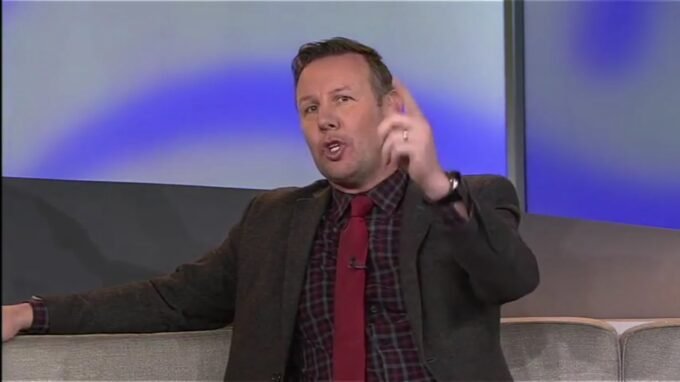
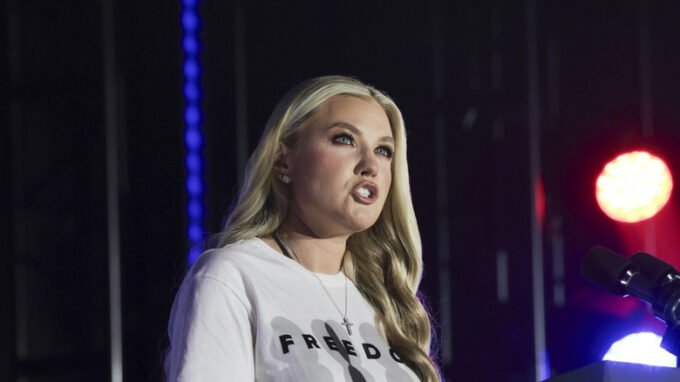
There’s something oddly familiar about public apologies: they arrive a little late, they try to sound steady, and they always aim to close a small, loud controversy. That’s sort of what happened with Seyi Law, the comedian who’s been very public about supporting President Bola Tinubu. He recently reversed himself after saying Nigeria is “safer than it was 10 years ago” — a comment that didn’t sit well with a lot of people.
Why it mattered
At face value the comment could be read as optimism: maybe he was trying to highlight improvements, perhaps he wanted to defend the current administration. But that statement landed badly because it felt disconnected from people actually living through kidnappings, attacks, and daily insecurity. When someone with a public platform — and a known political leaning — makes a sweeping claim like that, it’s bound to sting. People asked: is he out of touch, or defending a narrative he’s invested in?
Also read: “I’m Scared — VeryDarkMan Says Seyi Tinubu Threatened Him”
The backlash was swift and loud. Social media reacted, as it always does, and not gently. Many accused him of being insincere because of his ties to the ruling party; others simply called his remark insensitive to victims and families who’ve lost loved ones. It wasn’t just disagreement; for a lot of Nigerians, his words felt hurtful.
The apology — a tone shift
Seyi Law later posted a video on Instagram to address the uproar. He didn’t dodge it. He said he was sorry and called his earlier comment insensitive. He admitted that he hadn’t considered how it might affect those directly touched by violence and kidnapping. That’s important: he didn’t repeat the original line or argue the point again; he acknowledged harm and apologized.
There’s a small, human quality to that. I mean, it’s not perfect — apologies rarely are. But he did the basic thing: owned the mistake and expressed regret. He went further, too, and asked President Tinubu to pay more attention to national security. That shift — from defending a position to urging action — is notable. Whether it’s genuine or performative will be for others to judge. I think we should give the apology some weight, but remain a bit skeptical; public figures sometimes apologize to calm a storm rather than because they’ve truly changed their view.
What this says about public conversation
This episode reveals a couple of awkward truths about public life in Nigeria today. First, words from familiar faces matter more than ever. If a comedian, an influencer, or a politician says something that downplays suffering, that remark can reopen wounds. Second, political alignment complicates everything. Support for a leader can be read as endorsement of policy, even when it’s likely meant as personal support or optimism. People notice where loyalties lie, and they judge statements through that lens.
Also read: When Producers and DJs Get Left Out: Tales of Work, Promise, and No Pay
Also, apologies in the digital age must navigate both personal sincerity and public perception. You can say sorry, but if your earlier comment looks partisan or disconnected, that sorry has to be stronger — or at least accompanied by real actions or consistent follow-up. Saying “I’m sorry” is a start. But for many, the next question is: what next? Will he use his platform to advocate for better security? Will he press leaders to act? Or will the conversation die out and life return to whatever direction it was already heading?
The human side — and the awkward bits
I can’t help but notice the slightly stilted rhythm of these public apologies. They follow a template: acknowledgement, expression of regret, a nod to the people harmed, and then a call for change. It’s practical, yes, but oddly predictable. Real life is messier. People apologize awkwardly, preface with “perhaps” or “I think,” get a bit repetitive, or even contradict themselves later. That’s human. Seyi Law’s apology had some of that; it wasn’t a perfectly polished statement from a speechwriter. It had a hint of something more personal — maybe a touch of worry, maybe some genuine regret.
Still — and this matters — the primary pain here isn’t the awkwardness of the apology. It’s the context: people who have lost family members or who live in places where kidnapping is a constant fear. To say “it’s safer” feels, for them, like erasure. Even if he meant the country’s overall statistics have improved slightly, words like that can come off as callous. And public figures should know better.
So what now?
We’re left with the usual options. People will either accept the apology and move on, or they’ll keep pressing for accountability and action. Ideally, an apology would spark something practical: a push for better security policy, more attention to victims, or perhaps a public conversation about how to measure safety in a country as large and complex as Nigeria.
Seyi Law asked the president to take security more seriously. That’s a reasonable request to put on record. It’s modest, almost understated. But the test isn’t the headline; it’s whether anything changes. Will he, or others who hold public sway, keep the pressure up? Will the conversation shift from hot takes on social media to real engagement with affected communities? I’m not sure. People often move on too quickly.
Also read: Why I Stepped into Politics — Olumide Oworu’s Reasoning
A final thought
This episode is small and big at the same time: small because it’s one comment and one apology; big because it taps into deeper frustrations about safety, political loyalty, and how public voices are heard. Seyi Law’s apology is worth noting — and maybe accepting provisionally. What matters next, though, is what folks do with it. Will this be a moment that nudges things forward, or just another headline that fades away? Time will tell.
![Seyi Tinubu is threatening my life – VeryDarkMan cries out [VIDEO]](https://wowplus.net/wp-content/uploads/2026/02/seyi-tinubu-is-threatening-my-life-verydarkman-cries-out-video-300x300.jpg "“I’m Scared — VeryDarkMan Says Seyi Tinubu Threatened Him” 129")
![‘I’m no longer at peace’ – Concerns as Eleyele singer Busola Oke shares disturbing message [VIDEO]](https://wowplus.net/wp-content/uploads/2026/02/im-no-longer-at-peace-concerns-as-eleyele-singer-busola-oke-shares-disturbing-message-video-680x289.jpg "Concerns Grow After Busola Oke Shares Emotional Message Online 132")




![Actor Okemesi in coma following complications from drugs [VIDEO]](https://wowplus.net/wp-content/uploads/2026/02/actor-okemesi-in-coma-following-complications-from-drugs-video-200x267.jpg "Actor Okemesi in Coma After Alleged Drug Complications 140")
![‘I’m no longer at peace’ – Concerns as Eleyele singer Busola Oke shares disturbing message [VIDEO]](https://wowplus.net/wp-content/uploads/2026/02/im-no-longer-at-peace-concerns-as-eleyele-singer-busola-oke-shares-disturbing-message-video-200x85.jpg "Concerns Grow After Busola Oke Shares Emotional Message Online 141")


Leave a comment