
![Seyi Law makes U-turn, apologizes for saying Nigeria is safer than 10 years ago [Video]](https://wowplus.net/wp-content/uploads/2026/02/seyi-law-makes-u-turn-apologizes-for-saying-nigeria-is-safer-than-10-years-ago-video-680x680.jpg "Seyi Law Backtracks on “Safer” Nigeria Comment 1")
![Seyi Tinubu is threatening my life – VeryDarkMan cries out [VIDEO]](https://wowplus.net/wp-content/uploads/2026/02/seyi-tinubu-is-threatening-my-life-verydarkman-cries-out-video-680x408.jpg "“I’m Scared — VeryDarkMan Says Seyi Tinubu Threatened Him” 2")
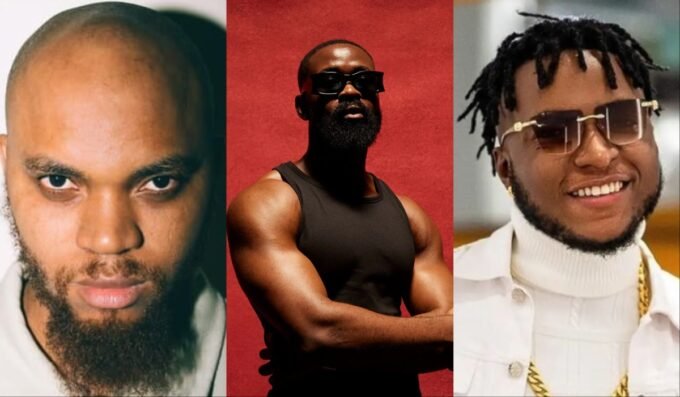










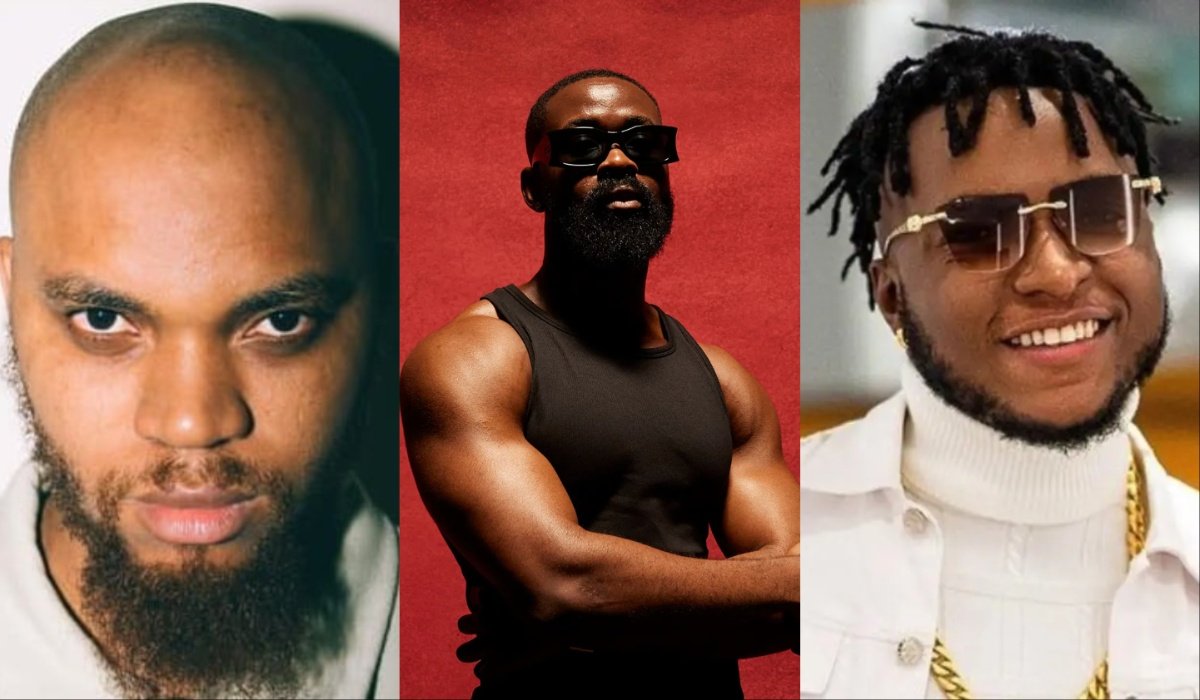
There’s a certain bruise that comes from doing the work everyone sees while the people in front collect the applause. I keep thinking about that as I reread what Sarz, Ozedikus and DJ Kaywise shared — small confessions that, together, feel like a pattern. Not an accusation so much as a series of disappointed sighs from people who thought they were part of a team but ended up being the invisible engine.
A few short stories, messy and human
Sarz started this latest round of talk on the Afropolitan podcast and, honestly, his words stuck with me. He said that a lot of popular artists at one point took advantage of him. They would make songs together, then not pay him. There was one story he singled out: he made two songs for a very big artist, and the artist only paid for one. That struck something in him. He decided, he said, to stop working with people who couldn’t meet his rates — and that choice made him “notorious,” he joked. Maybe he meant that in a way that softens the anger, or maybe it’s a real badge of survival. Either way, he changed how he protected his skills.
Also read: Growing Up Redford: Loss, Survival, and the Unscripted Parts of Family Life
Ozedikus reacted when a clip of Sarz went viral. He remembered his own version of that bruising moment and it’s depressingly familiar. Around 2016–17, he said he produced more than 30 songs in two months for a single person. Thirty. He claims he was paid for none of them. Worse, when one of those tracks was released, he was left pleading just to be tagged for “exposure.” No tag. No credit. That one sentence — “still didn’t happen lol” — reads like someone trying to laugh away the sting while knowing he shouldn’t be laughing at all.
DJ Kaywise’s story shifts the scenario a bit: it’s not immediate unpaid fees, but a promise that evaporated. He looks back to 2012 when Eldee The Don allegedly promised to sign him to a label. Kaywise says he made over 1,000 mixtapes for Eldee and the artists on his roster in his early Alaba days. That’s sweat. Eldee, according to Kaywise, told him the label announcement would follow once another artist was signed. That didn’t happen. The promise never materialized. Kaywise takes something from that memory: he’s proud he stayed independent, and now he’s seeing benefits from that choice. Proud, yes — and maybe a little bitter, understandably.
Why these stories matter
You can read each account as one person’s grievance — sure. But string them together and they form a troubling pattern. Producers and DJs often sit in a weird position in the music chain: they create, arrange, and shape sounds, yet their labor can be invisible or at the mercy of verbal agreements. There’s no single villain here; sometimes it’s sloppy business, sometimes it’s bad faith, sometimes it’s the power imbalance between big-name artists and the people behind the beats.
Also read: Growing Up Redford: Loss, Survival, and the Unscripted Parts of Family Life
The sad truth is that this isn’t strictly new. Music history — everywhere, not just here — has countless tales of creatives getting short-changed. But what feels different now is the openness. These conversations aren’t confined to private calls or industry corridors. They’re showing up on podcasts, on X, in interviews. People say things publicly. That matters, because the moment a story becomes shared, it stops being an isolated incident and starts looking systemic.
Small defenses, small victories
Sarz’s reaction to being unpaid — setting stricter terms and getting firm about fees — is a kind of personal boundary. It’s imperfect; it can make you seem difficult when all you want is fairness. But honestly, sometimes being “notorious” is what keeps you fed. Kaywise’s decision to remain independent after the unfulfilled promise is another defensive move. He says it’s paying off now. That won’t erase the sting, but it sometimes rewrites the arc: from naive trust to cautious self-reliance.
And then there’s the credit problem. Ozedikus’s insistence on being tagged — just a small online acknowledgement — shows how much even the smallest recognition counts. Credit isn’t vanity; it’s a currency. It builds reputation, leads to future work, and, yes, eventually to pay. Denying it is a double injury.
What this feels like for those watching
I’ll admit I felt an odd mix of anger and resignation reading these accounts. Anger because exploitation is real and unnecessary; resignation because the music world has always had rough edges. But there’s also a hopeful strand: these stories are being told, and telling is the first step toward fixing things. Maybe industry practice will follow. Or maybe not. People will keep learning the hard way.
There’s also a human messiness to all of this. Artists who don’t pay might not be deliberately malicious — sometimes they’re broke, sometimes they’re mismanaged, sometimes they simply don’t understand the cost of what they’re asking for. That doesn’t excuse the behavior, but it complicates the story. Likewise, producers who become “notorious” for demanding pay might lose chances they could have used to build connections. Life isn’t clean.
What could change — and what probably won’t
Better contracts, clearer credits, more transparent deals — these are obvious fixes. But they require industry-wide shifts: managers who understand production fees, labels that don’t treat producers as optional expenses, artists who learn to respect collaborators. It’s simple to say, hard to do. Money flows follow reputation and power, and those don’t rearrange overnight.
Still, the public airing of these experiences nudges things forward. When enough people speak up, the cost of mistreating collaborators rises. That’s not a guarantee — but it helps.
Also read: What People Close to Kid Rock Have Actually Said About Him
A closing thought
These stories are small windows into working lives that too often go unnoticed. They’re about money, sure, and promises, and credits. But mostly they’re about respect: for time, for craft, for the invisible labor that makes songs possible. I don’t expect immediate justice for every slight or broken promise. However, I do think naming these things matters. It’s the start of accountability, or maybe just a way to stop being alone in the hurt.

![Seyi Tinubu is threatening my life – VeryDarkMan cries out [VIDEO]](https://wowplus.net/wp-content/uploads/2026/02/seyi-tinubu-is-threatening-my-life-verydarkman-cries-out-video-300x300.jpg "“I’m Scared — VeryDarkMan Says Seyi Tinubu Threatened Him” 131")
![‘I’m no longer at peace’ – Concerns as Eleyele singer Busola Oke shares disturbing message [VIDEO]](https://wowplus.net/wp-content/uploads/2026/02/im-no-longer-at-peace-concerns-as-eleyele-singer-busola-oke-shares-disturbing-message-video-680x289.jpg "Concerns Grow After Busola Oke Shares Emotional Message Online 132")




![Actor Okemesi in coma following complications from drugs [VIDEO]](https://wowplus.net/wp-content/uploads/2026/02/actor-okemesi-in-coma-following-complications-from-drugs-video-200x267.jpg "Actor Okemesi in Coma After Alleged Drug Complications 140")
![‘I’m no longer at peace’ – Concerns as Eleyele singer Busola Oke shares disturbing message [VIDEO]](https://wowplus.net/wp-content/uploads/2026/02/im-no-longer-at-peace-concerns-as-eleyele-singer-busola-oke-shares-disturbing-message-video-200x85.jpg "Concerns Grow After Busola Oke Shares Emotional Message Online 141")


Leave a comment