
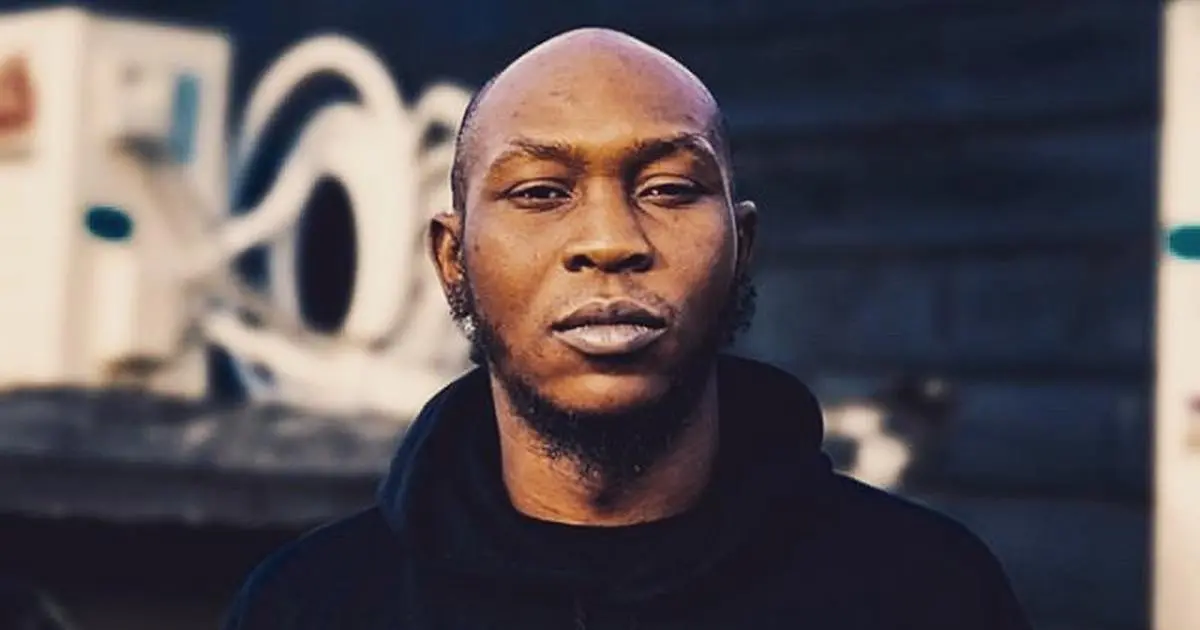
There’s this rush—an immediate, almost tribal need to find someone to blame when things go wrong. It’s quieter in the stadium, louder online. After Nigeria’s semi-final exit from AFCON, that rush found Samuel Chukwueze. He missed a penalty and suddenly the timeline filled with hot takes, finger-pointing, and the kind of certainty that never lasts long. I get why people were upset. But the story is messier than one missed kick, and Seun Kuti’s response felt like the sensible pause we all needed.
A moment, not a life sentence
Missing a penalty is one of those moments that looks enormous in the moment—because it is. You stand at the spot, the world narrows, and for a few seconds the future seems to hinge on a single action. And yet, a single miss doesn’t erase everything a player brought to the team. It doesn’t wipe out the goals scored, the runs made, the tackles, or the heart shown through 90 minutes. Football is stitched from hundreds of these small things, most of them invisible unless you’re really watching.
Also read: Davido Breaks His Silence on DNA Claim — Says Tests Show He’s Not the Father
I thought Seun Kuti’s response was right: “Even Pele dey miss penalty. Leave Chukwueze alone.” It’s a short line, in Pidgin, blunt and familiar, and it cuts through the outrage with a basic truth: everybody misses. Even the greats. Even the ones we cast as untouchable.
Why the backlash feels amplified
Social media intensifies everything. A missed penalty used to be a headline and a morning conversation. Now it becomes a loop of reactions and replays, and a thousand people with half-understood ideas about sports psychology declaring a player ruined. Add national pride into the mix and, well, the pressure gets ugly fast. People are tired, emotional, and right now they want someone to hold accountable. Nothing surprising there. I’m not excusing the frustration—just pointing out how it snowballs.
There’s also a cultural thing: in big tournaments, expectations are enormous. When a team doesn’t make it to the final, disappointment looks for faces to pin on. Chukwueze is young, talented, and visible. That makes him an easy focus. But focusing on one person is lazy. It’s a distraction from tactical questions, team selections, and the dynamics that really decide matches.
A brief take on pressure and penalties
Penalties are as much mental as they are technical. You can practice placement and keepers can guess left or right, but the psychological load—the crowd, the moment’s weight, the fear of being remembered for one miss—changes everything. Some players thrive under it; some don’t. Most oscillate between the two across a career. The truth is: missing a penalty says more about that moment than the person. It doesn’t define a career, not unless a player decides to let it.
Seun didn’t just defend Chukwueze; he reminded people of perspective. Mentioning Pelé—an icon, a legend—was smart. It’s meant to disarm the easy moralizing. If Pelé missed, then missing is human, not moral. And that’s an important reminder because we often treat athletes like mythic figures until they demonstrate their humanity, and then we overreact.
What this loss means beyond one kick
Nigeria’s exit will ignite lots of conversations—about coaching decisions, substitutions, penalty order, and more. Those debates matter, and they deserve attention. It’s okay to analyze, even to criticize. But lumping the whole failure onto a single player is unfair and, frankly, lazy analysis.
There’s also a national mood to consider. A lot rides on these tournaments beyond the pitch: identity, pride, hope. When the team falls short, those national emotions don’t have a tidy place to land, so they land on whoever is closest. That’s understandable. It’s not always right.
A call for steadiness—and a small defense
I don’t know Samuel Chukwueze personally, but I’ve watched him enough to see talent and an instinct for the game. That shouldn’t protect him from criticism—but it should guard him from being personally vilified. He took responsibility, missed; that’s painful. But it’s also a risk every player accepts. We celebrate them when they succeed, fine. When they fail, a little decency would be nice.
Seun Kuti’s message is simple and useful: stop turning a single event into a character assassination. It’s short, it’s human, and it’s true. Perhaps we could all use a reminder that sports are messy, that players are people, and that empathy is not weakness.
Also read: Harrysong Says He’s Moved to Polygamy — And Everyone Apparently Knows Each Other
What now?
Nigeria still has the third-place playoff against Egypt, and those players will be asked to bounce back quickly. That’s sports. It’s also life—move past the error, regroup, and try again. And the wider conversation should shift to what can be improved across the team rather than who to shame for a momentary miss.
I don’t expect everyone to agree. I’ll admit I also felt annoyed watching that penalty go wide—who wouldn’t? But annoyance and anger aren’t the same as ruinous judgment. Let’s keep the critique useful: tactical, calm where possible, and aimed at growth. And maybe, just maybe, give Chukwueze a break. He’s young, he’s made of the same fragile stuff we all are, and he’ll likely have other chances to show what he can do.







Leave a comment