



















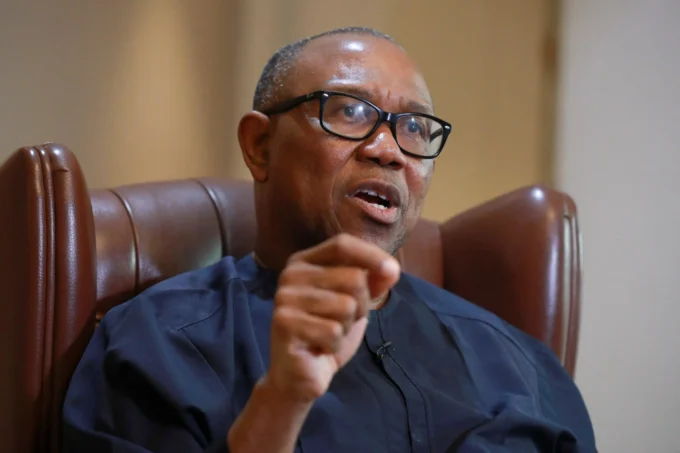


The African Democratic Congress (ADC) has found itself in a bit of a political puzzle — one that’s easy enough to describe but tricky to solve. At the heart of it are two big names in Nigerian politics: Atiku Abubakar and Peter Obi. Both men have national profiles, both have supporters who are vocal and hopeful, and both seem to be circling the idea of a presidential run in 2027. That combination, the ADC says, creates what it calls a “conundrum.” Which, frankly, is a fair way to put it.
Let me be honest: this isn’t the kind of crisis that tears a democracy apart. Not at all. But it is the kind of internal headache that can slow a smaller party down. That’s precisely how Bolaji Abdullahi, the ADC’s National Publicity Secretary, put it during an appearance on Arise Television’s Morning Show. He didn’t blow things out of proportion; he didn’t say it was the end of the world. Still — it’s something they’re watching and thinking about. And I get the sense that the ADC would rather deal with it on its own terms than have the media or rival parties set the agenda.
A focus on building, not posturing
Right now, the ADC’s priority is obvious: build the party’s footprint across Nigeria. Abdullahi kept returning to the same point — the party wants to be an active, serious competitor in all 36 states and the Federal Capital Territory. That’s sensible, and also a big job. It means organizing at the grassroots, recruiting credible candidates, and making sure people actually know who the ADC is and what it stands for. In other words, there’s groundwork to lay before anyone starts loudly debating who gets a presidential nomination.
Also read: New Rules, Same Promise: How the Labour Party Sees 2027 Peter obi – Labour Party
I actually find that refreshing. Too often, parties get caught up in headline-grabbing maneuvers long before they’re operationally ready. Here, Abdullahi sounded pragmatic: yes, the Atiku-Obi issue exists, but we shouldn’t let it distract from building real presence nationwide. That said, the issue can’t be ignored forever — especially since both names carry weight and could affect coalition calculations.
Consensus first; contest if needed
Abdullahi spelled out the ADC’s approach plainly. When the time comes to decide on a candidate, the party will aim for consensus. That’s the preferred route — try to get everyone rowing in the same direction, avoid ugly fights, and present a united front. If consensus can’t be engineered, then the ADC will open the contest up to aspirants. That’s a sensible fallback. It’s almost diplomatic: try the peaceful, orderly path first; if that fails, revert to a more competitive, democratic process.
But here’s a small, telling wrinkle: “consensus” is a neat word, but it’s messy in practice. Politics is messy. People come with ambitions, backers, pride, and sometimes grudges. Trying to smooth that all out takes negotiating skill and time. I suspect the ADC knows that — which is why they’re spending months on organization. Whether they can actually broker a consensus around or involving Atiku, Obi, or someone else remains to be seen.
It’s not only about Atiku and Obi
Abdullahi was careful to push back on the idea that ADC’s future is a two-person race. He emphasized the point repeatedly: there are other people interested in the party’s ticket. Also, the ADC is having talks with other political parties to see what kind of coalition might be possible. So, yes — Atiku and Obi loom large, but they’re not the whole story. That’s comforting, because framing the contest as a binary choice between two big names is often reductive and can alienate people who don’t fit neatly into either camp.
Still, it’s hard not to wonder how conversations outside the ADC will go. Atiku and Obi aren’t just prospects; they are political brands. If the ADC tries to build a broader coalition that includes or excludes either of them, that move will send signals — to voters, to donors, to other parties. Those ripple effects could either strengthen the ADC’s hand or complicate the very unity they say they want.
Also read: Fubara Signs On with APC in Rivers State
A slow burn, but intentional
There’s a patient quality to how ADC is handling this. The party isn’t rushing to declare support or parry headlines. It’s choosing, instead, to focus on structure and reach. That’s a long-term play. If I had to guess, the ADC is betting that credibility on the ground will make them a more attractive partner or a more competitive force when 2027’s nomination conversations finally happen.
Yet, the political world rarely waits politely. By the time the ADC feels ready, others may have already made moves — alliances, public endorsements, or strategic positioning. So the ADC’s “slow build” strategy carries risk. It might pay off, or it might mean they’re late to an unfolding game. I’m not convinced either way, but I appreciate the caution. Hasty decisions can haunt parties for years.
A complicated, but not hopeless, path
So where does that leave us? The ADC is facing a tangle — part brand-management, part coalition-building, part internal politics. Atiku and Peter Obi are factors, certainly. They create pressure because of their visibility and followings. But the ADC insists they’re not the only options, and insists the party’s priority right now is to be stronger, broader, and more organized.
Also read: When Kaitlan Collins’ Gala Dress Missed the Mark — And Why That’s Not the Whole Story
That seems sensible. It also leaves plenty of room for things to change. People will make their moves. Conversations will happen. New faces could appear. The ADC’s proclamation that consensus will be attempted first — with open contest as Plan B — is a reasonable roadmap, however imperfect. Politics rarely follows a neat map anyway, and perhaps that’s for the best.











Leave a comment