


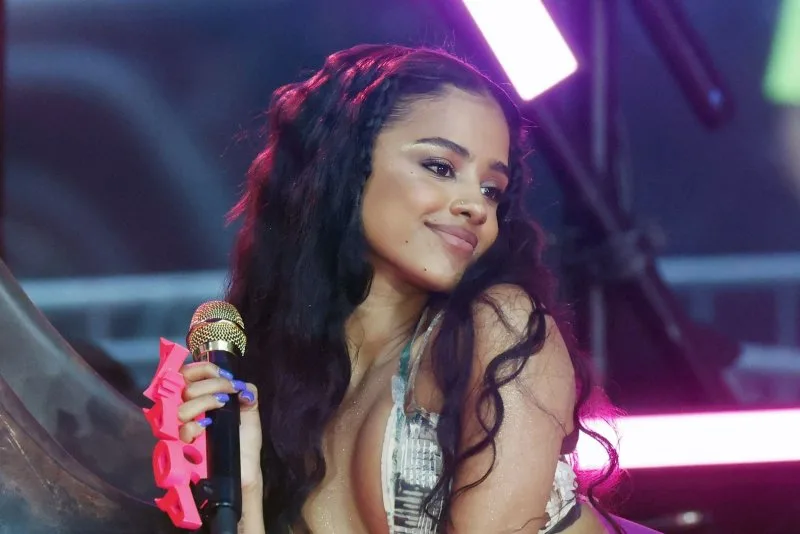
Tyla A*POP album represents a confident change in direction for a singer who no longer wants to fit herself into somebody else’s definition of pop.
The South African star has described the project as an attempt to tailor pop to herself rather than tailoring herself to pop. That statement captures the tension at the centre of her career. Tyla has already achieved international visibility, but global success often comes with pressure to simplify a sound, repeat the biggest hit or make cultural identity easier for overseas audiences to understand.
With A*POP, she appears to be choosing the opposite path. The album is positioned as a broader expression of her taste, combining rhythm, fashion, visual storytelling and a stronger sense of authorship. The goal is not to abandon pop but to make the category flexible enough to hold her.
Water opened the door but also created expectations
Tyla’s breakthrough single “Water” became a global hit and introduced many listeners to her blend of amapiano-influenced rhythm, R&B softness and pop structure. The song’s success gave her extraordinary reach, but a breakout hit can become a narrow frame around a young artist.
A global hit can become both opportunity and limitation
Once a song reaches that level, labels, media and audiences naturally look for a repeat. The artist may be encouraged to reproduce the tempo, choreography or vocal mood that worked before. That can make commercial sense, but it risks turning a distinctive creative choice into a formula.
Tyla’s challenge has been to keep the accessibility that made “Water” travel while proving that her musical identity is wider than one viral moment. A*POP is therefore not merely a second album. It is a test of whether the public will follow her into a more complete world.
Her South African identity is not decoration
International pop often borrows sounds from African music while separating them from the artists and scenes that developed them. Tyla’s position is different because South Africa is not a reference added to a finished pop product. It is the foundation from which she works.
Wowplus has followed the global rise of African music through Burna Boy’s major Sydney concert milestone, the fashion conversation around global music stars at the AMAs and the way international celebrity culture is shaped on major carpets. Tyla’s new era belongs to that same movement while remaining distinctly South African.
A*POP is also a visual argument
Tyla’s career has always depended on more than recorded music. Dance, styling, photography and performance help explain her sound. The title A*POP suggests a category of her own, and the visual presentation supports that idea by treating music and image as parts of one system.
Fashion helps her resist generic pop styling
Tyla’s clothes often combine glamour with texture, movement and references that feel connected to youth culture rather than traditional red-carpet polish. She can move between distressed pieces, body-conscious silhouettes and playful accessories without losing a recognisable identity.
That consistency matters because the modern pop audience often meets an artist through short video before hearing a full album. A strong visual language makes individual clips feel connected and encourages fans to understand an era rather than one isolated release.
Intimacy remains important despite larger ambition
Reports around the album have emphasised intimate creative moments rather than only stadium-scale ambition. That contrast suits Tyla. Her voice often feels close and conversational even when the production is designed for large rooms and dance floors.
The most effective pop stars can make a global audience feel as though the performance is directed at one person. Tyla’s softer vocal approach gives her that ability. It separates her from singers who rely mainly on vocal power and allows rhythm to carry much of the drama.
The album arrives at a sensitive point in her career
A second major project is often more revealing than a debut. The first album can collect songs written across several years, while the next must respond to fame, criticism, touring and new commercial expectations. Tyla now knows what the industry wants from her, which makes her decision to define the terms more significant.
She is balancing expansion with ownership
There is no contradiction between wanting a bigger audience and protecting a specific identity. The real question is who controls the expansion. Tyla’s comment about tailoring pop to herself suggests that she wants success without becoming a neutral product designed for every market.

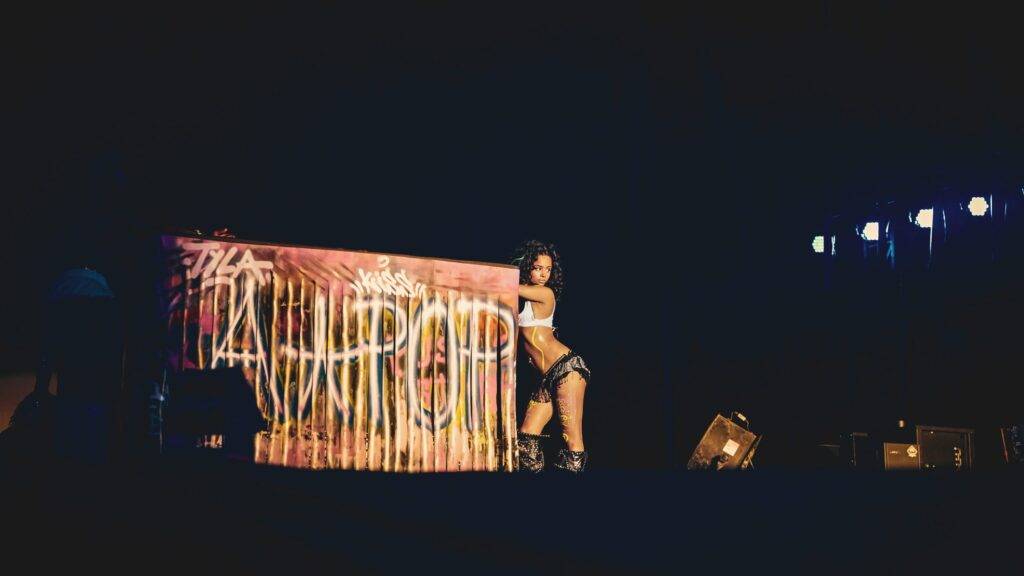
That approach may involve risk. Some listeners will compare every song with “Water,” while others may expect a purer version of amapiano than Tyla intends to offer. She is operating between categories, and that middle space can attract both excitement and suspicion.
Why A*POP could matter beyond one album
If the project succeeds, it may strengthen the case for African pop stars to enter global markets without flattening the details that make them distinctive. Tyla does not need to represent an entire continent, but her visibility affects the expectations placed on artists who follow.
The Tyla A*POP album is most interesting because it treats pop as a tool rather than a destination. She is not asking permission to join a fixed tradition. She is using the reach of pop to build a new centre around her own voice, movement and background.
That is a more ambitious goal than repeating a hit. It asks audiences to understand Tyla not as a successful exception inside global pop, but as one of the artists capable of changing what global pop sounds and looks like.