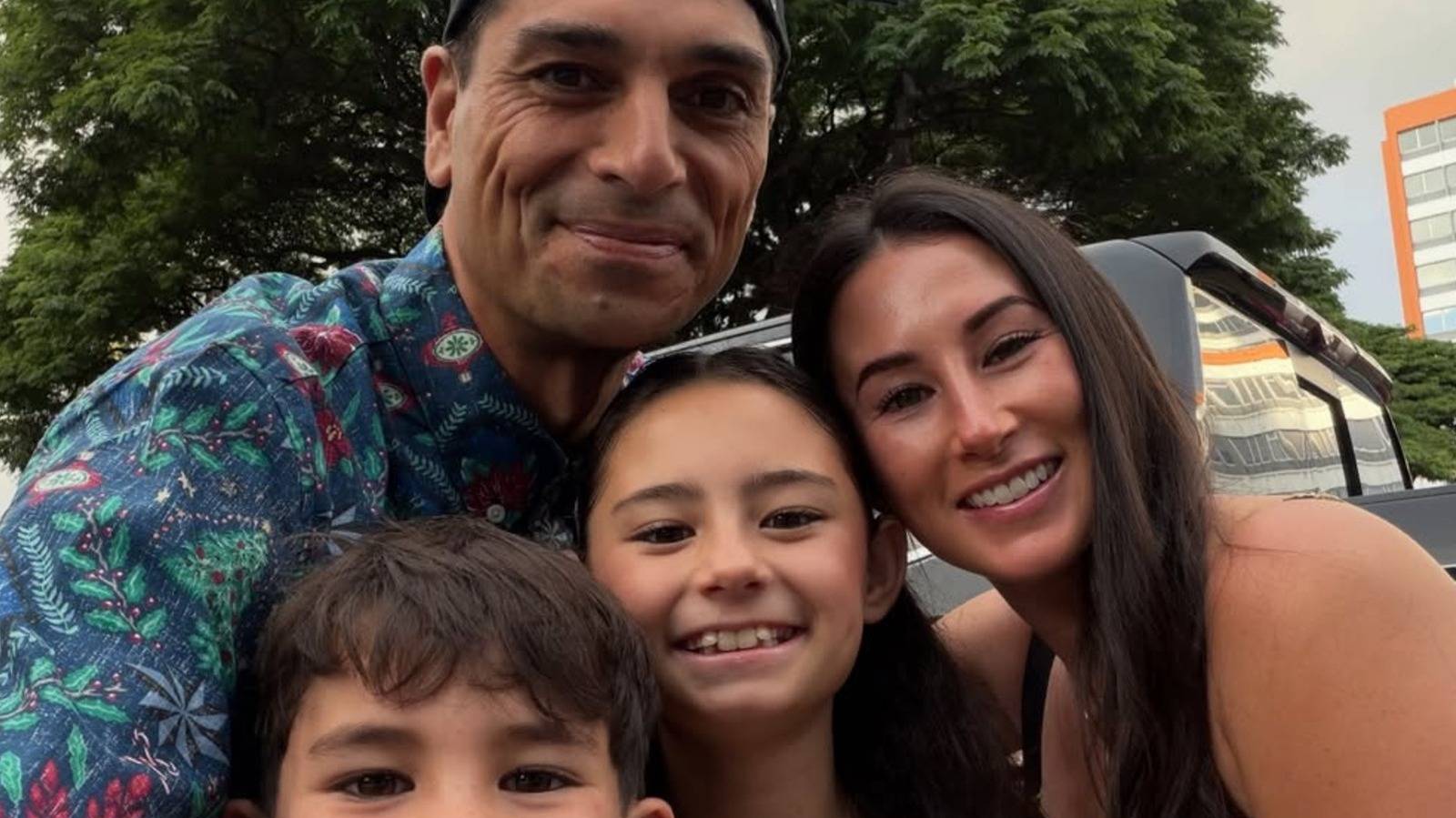


The story around Renovation Aloha controversy feels a bit heavier than the usual reality TV drama. At first, it might sound like just another behind-the-scenes issue — something that will pass after a few headlines. But the more details that come out, the more it seems like this situation could stick with Tristyn Kalama and Kamohai Kalama for a long time.
Their show, Renovation Aloha, built its appeal on transforming properties in Hawaii, mixing design with local culture. But now, that same setting has become the center of a serious legal and cultural issue — one that goes beyond television.
And honestly, it’s not the kind of situation you can easily brush off.
The Episode That Sparked Everything
The controversy started with an April 2026 episode titled “Bones on the Big Island.” During the episode, the Kalamas reportedly discovered human remains while scouting land for development.
Aslo read: Lauren Boebert Money Joke Sparks Debate Over Her Finances and “Moral Standard”
That alone would be sensitive. But what made things much more serious is what happened next.
In Hawaii, ancestral remains — known as iwi kūpuna — are deeply sacred. They are not just historical artifacts; they carry spiritual and cultural importance. Because of that, there are strict laws protecting them, including rules against photographing or broadcasting them.
Despite those protections, footage of the discovery was included in the episode.
That decision quickly drew attention from the state. The Attorney General stepped in after seeing promotional material for the episode and took legal action. A temporary restraining order was issued, naming not only the Kalamas but also the network behind the show.
The reasoning was clear and, in a way, hard to argue with. Broadcasting such footage was described as causing “profound and irreparable harm” to the Native Hawaiian community, as well as disrespecting the dignity of those remains.
Even if someone didn’t fully understand the cultural context before, that kind of statement makes the seriousness obvious.
What complicates things further is that the episode still aired — though reportedly with the most sensitive footage removed.
That decision, whether intentional or not, didn’t exactly calm the situation.
Apologies, But Questions Remain
After the backlash, both the Kalamas and the network issued public apologies. Which is expected in situations like this. And to be fair, acknowledging the mistake is usually the first step.
But it doesn’t always settle things.
A spokesperson for the Attorney General made it clear that the matter isn’t closed. There’s still the possibility of further legal action, depending on how the situation develops.
That lingering uncertainty is probably what makes this feel less like a one-time controversy and more like an ongoing issue.
Because once legal action continues, it keeps the story alive. It doesn’t fade as quickly.
And for reality TV personalities — whose careers depend heavily on public perception — that can be a problem.
A Pattern That’s Hard to Ignore
What makes this situation more complicated is that it’s not entirely isolated.
Reports from earlier in 2025 suggested that Tristyn Kalama and Kamohai Kalama had already faced issues related to their renovation work. Specifically, there were claims that they sometimes moved forward with projects before securing the necessary permits.
Now, that might sound like a technical issue at first. Paperwork delays happen, and renovation timelines can be tight. But skipping permits isn’t a small thing.
Those regulations exist for a reason — safety, structure, accountability. And when they’re ignored, it can create bigger problems down the line.
In at least one case, a property they worked on reportedly accumulated over $30,000 in fines. That’s not minor. It suggests a pattern, or at least repeated risks being taken.
Also read; Blake Lively Reputation Shift: Why a Move Abroad Might Be on Her Mind
And when you place that next to the current controversy, it changes how people see the situation.
Instead of one mistake, it starts to feel like part of a broader approach — one where rules might not always come first.
That might not be entirely fair. But perception doesn’t always wait for full context.
Reputation at a Crossroads
At this point, it’s unclear how everything will unfold.
There’s still a legal process in motion. There’s still public reaction, which can shift over time. And there’s still the question of whether the show — and the Kalamas’ careers — will be affected in a lasting way.
Some controversies fade. Others don’t.
What makes this one different is the cultural aspect. It’s not just about business practices or television editing decisions. It touches on respect, heritage, and laws designed to protect something deeply meaningful.
That tends to resonate more strongly.
For Tristyn Kalama and Kamohai Kalama, this moment feels like a turning point. Not necessarily the end of anything, but definitely a shift.
Whether they recover from it — and how — will likely depend on what happens next, both legally and publicly.
And maybe, just as importantly, on whether people believe this was a one-time mistake… or something more.