
It started as a quick comment, the kind politicians make all the time without thinking too much about how it will land. But in the case of Lauren Boebert money joke, it didn’t just pass by quietly. It stuck — and maybe not in the way she expected.
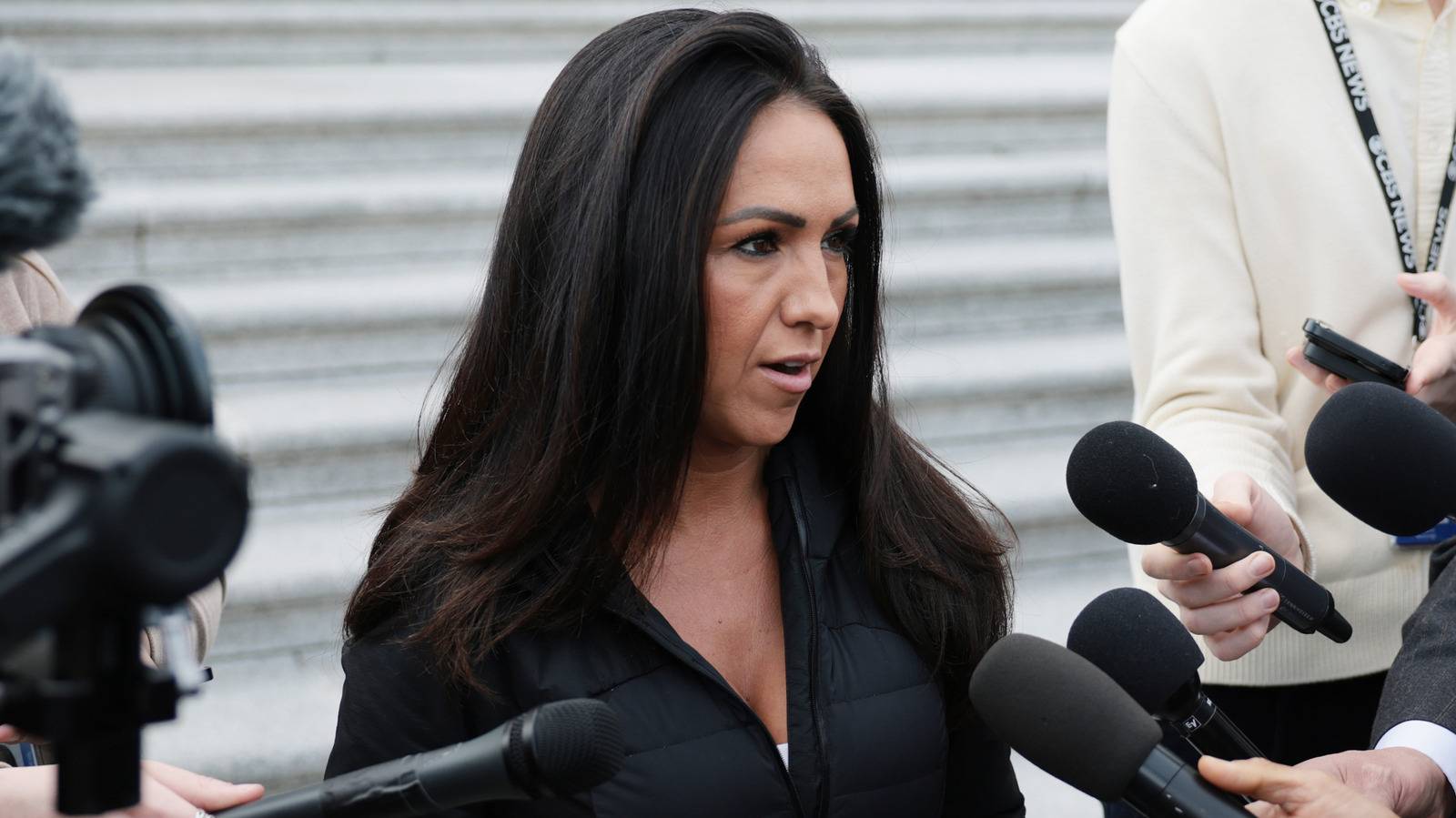
While heading toward the House Chamber, Lauren Boebert was asked about prediction markets. Instead of giving a long explanation, she brushed it off with a joke. She said she doesn’t trade stocks, calling it “the one moral standard” she has in Congress — and added that it’s also why she has “no money.”
At first, it sounded like a throwaway line. Something meant to get a laugh and move on. And to be fair, it did get a chuckle in the moment. But once the clip made its way online, the reaction shifted pretty quickly.
People didn’t just hear a joke. They started picking it apart.
Also read: lake Lively Reputation Shift: Why a Move Abroad Might Be on Her Mind
The Joke That Turned Into a Debate
It didn’t take long for critics to question what Boebert meant by “no money.” After all, members of Congress earn a solid salary. Not billionaire-level wealth, obviously, but still far from struggling.
Some people pointed out that her annual pay is well into six figures, which makes the idea of having “no money” feel exaggerated. Others went further, bringing up estimates of her net worth and arguing that, while she may not be extremely wealthy, she’s not exactly broke either.
And then, as often happens online, the conversation drifted. What started as a discussion about income turned into something more personal.
There were comments — some joking, some not — about her family situation and past controversies. A few people suggested that personal issues might explain why she joked about finances. Others used the moment to criticize her more broadly, not just the statement itself.
It’s hard to tell where the line is between genuine criticism and just piling on. Probably a bit of both.
But what stands out is how quickly a simple remark became something bigger. Almost like people were waiting for a reason to react.
“One Moral Standard” — The Part People Didn’t Ignore
Interestingly, the bigger reaction wasn’t even about the money.
It was about the phrase “one moral standard.”
That part caught people’s attention almost immediately. Some interpreted it as self-aware humor. Others saw it as an accidental admission — like she was joking, but maybe revealing more than intended.
A lot of responses online focused on that wording. People questioned whether she meant it literally or if it was just sarcasm that didn’t quite land. And, as expected, some turned it into a running joke.
Comments ranged from light teasing to more pointed criticism. A few people joked that having “one” moral standard was better than none. Others weren’t so generous, suggesting they didn’t believe even that claim.
It became one of those moments where the exact wording matters more than the intent behind it.
And maybe that’s the tricky part about public speaking now. Even casual remarks get replayed, reinterpreted, and sometimes reshaped into something bigger than they were meant to be.
Timing, Reputation, and Everything in Between
Of course, context matters too.
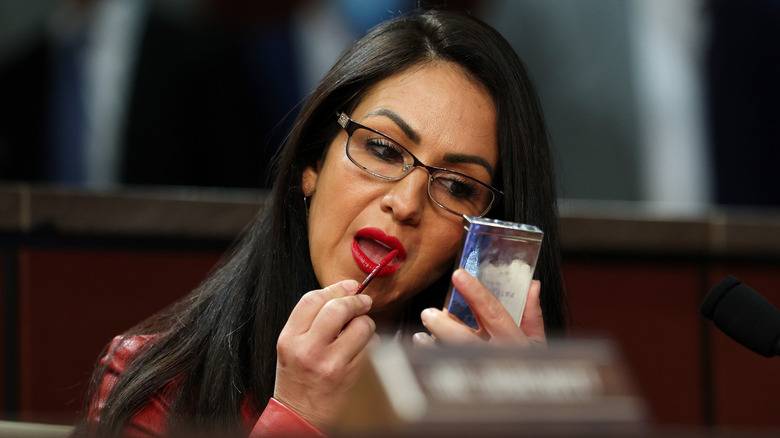
Lauren Boebert has had her share of public scrutiny in the past, and that tends to influence how new comments are received. People don’t react in a vacuum. They connect new moments to old ones.
So when this joke surfaced, it didn’t stand alone. It came with everything people already thought — or thought they knew — about her.
There were also references to past controversies, including one involving a theater outing that drew a lot of attention at the time. Even though it wasn’t directly related to the comment she made, it still came up in the conversation.
That’s kind of how public perception works. It builds over time, and once it’s there, it’s hard to separate one moment from the rest.
At the same time, it’s worth saying that not everyone reacted negatively. Some people did see the comment as harmless. Just a politician trying to make a light joke during a routine interaction.
But those voices were quieter. Or maybe just less noticeable.
Also read: Celebrity Staff Abuse Stories: 10 Famous Figures Accused of Crossing the Line
A Joke That Didn’t Quite Land
Looking at the whole situation, it seems likely that the comment was never meant to be taken so seriously. It had the tone of something off-the-cuff, maybe even slightly self-deprecating.
But jokes are unpredictable like that. Sometimes they land, sometimes they don’t. And when they don’t — especially in public life — they tend to linger longer than expected.
There’s also something interesting about how people respond to humor from politicians. It’s almost like there’s less room for it now. Or maybe just less patience.
Either way, this moment became more than a passing comment. It turned into a discussion about money, values, and perception — all from one sentence that probably took only a few seconds to say.
And that’s the thing. In politics, even the smallest remarks can grow into something much bigger.
Whether that’s fair or not… well, that’s a different conversation.