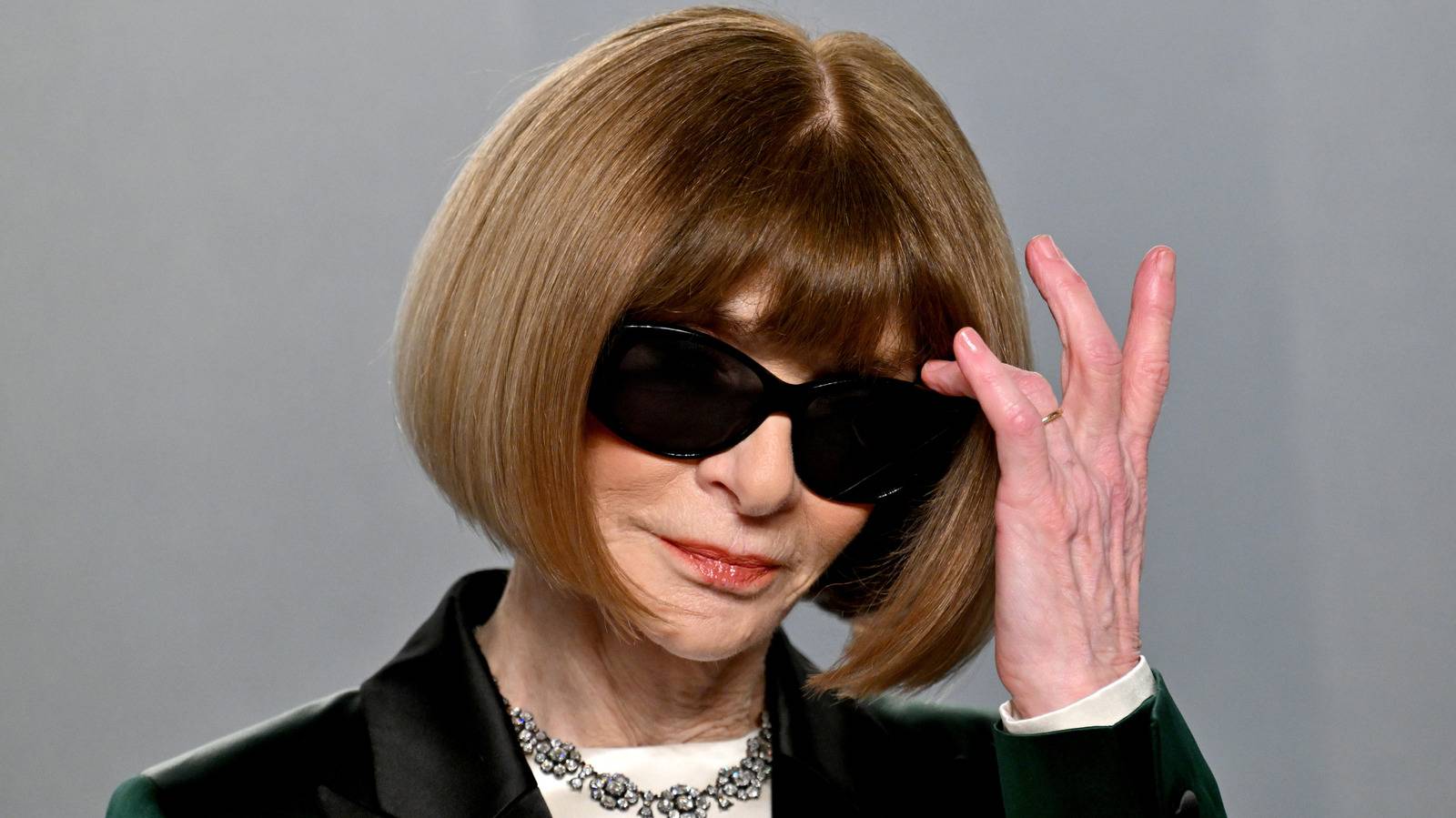
The Anna Wintour Melania Trump style conversation is back again, and this time it feels a bit sharper than usual. Not loud or dramatic, but subtle in that way where you almost miss it — until you don’t. And then it lingers.
It all came up during a discussion about fashion and power, which, if you think about it, is a topic that sounds simple but rarely is. The conversation included Anna Wintour and Meryl Streep, with a question from Greta Gerwig about how women express influence through what they wear.
At first, everything felt pretty straightforward.
Praise That Felt Clear — And Then Something Changed
Wintour began by pointing to Michelle Obama as an example of someone who embodies confidence through personal style. She didn’t focus on labels or trends, but more on authenticity — how Michelle Obama manages to look like herself regardless of what she’s wearing.
Also read: Adegbodu Twins Robbery Scare Leaves Family Shaken Days After Taiwo’s Burial
That idea came up again when she mentioned Rama Duwaji, describing her as modern, relaxed, and comfortable in her own choices. There was a kind of admiration there that felt genuine, not forced.
So far, it all made sense. The message seemed to be about individuality. About not needing to follow a strict definition of “power dressing.”
And then, almost quietly, she brought up Melania Trump.
Her comment? That Melania “always looks like herself when she dresses.”
Now, on the surface, that might sound neutral. Maybe even positive, depending on how you hear it. But the tone — or maybe the lack of added praise — made it feel different. Like something was being said without fully saying it.
It wasn’t criticism exactly. But it didn’t feel like admiration either.
And that’s where people started reading between the lines.
When Subtle Comments Say More Than Direct Ones
If Wintour’s remark felt understated, Meryl Streep’s follow-up didn’t leave much room for interpretation. She brought up one of Melania Trump’s most talked-about fashion moments — the jacket with the words “I Really Don’t Care, Do U?” worn during a visit to migrant children.
It’s a moment that’s been discussed many times before, and bringing it up again in this context shifted the tone of the conversation. It wasn’t just about style anymore. It became about messaging, intention, and how clothing can communicate more than people expect.
And maybe that’s the tricky part about fashion in public life. It’s never just about the clothes.
A History That Makes the Moment Feel Bigger
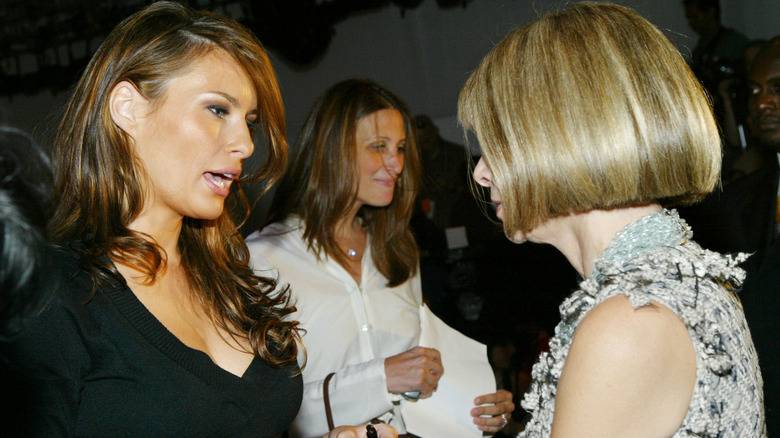
What makes this situation more interesting — or maybe more layered — is that this isn’t the first time there’s been tension between Wintour and Melania Trump.
For years, Vogue, under Wintour’s leadership, has followed a tradition of featuring first ladies. But during the presidency of Donald Trump, Melania didn’t receive the same kind of spotlight, at least not in the way some expected.
There were hints early on that it might happen. Wintour even suggested she was open to covering whoever held the role. But when it came down to it, that coverage never fully materialized — at least not in the form many anticipated.
And that didn’t go unnoticed.
Melania’s team pushed back at the time, downplaying the importance of magazine covers and suggesting the decision reflected bias within the fashion industry. Supporters echoed that view, arguing that the lack of recognition wasn’t about style at all, but something else entirely.
Of course, others saw it differently.
Fashion, Power, and Personal Perception
What’s interesting about all this is how subjective it feels. One person’s idea of strong, expressive style can be completely different from someone else’s. And when you add politics into the mix, it becomes even more complicated.
Wintour seems to lean toward authenticity — the idea that power comes from being comfortable in your own identity. That’s why her examples felt so specific. Michelle Obama, Rama Duwaji… both framed as women who dress in a way that reflects who they are, not just what’s expected.
But then, when it comes to Melania Trump, the same framework doesn’t seem to apply in quite the same way. Or maybe it does, but without the same appreciation attached to it.
Also read: Ayra Starr Faith Journey: Why She Says She’s Trying to Be Like Jesus
And that difference — subtle as it is — is what people are picking up on.
Not Everything Needs to Be Said Out Loud
In the end, the Anna Wintour Melania Trump style moment isn’t about one comment. It’s about the space around it. What was said, what wasn’t, and how it all connects to a longer history.
Sometimes, a simple statement carries more weight because of context. Because of timing. Because of everything that came before it.
And maybe that’s why this moment feels like more than just a passing remark. It’s part of an ongoing conversation — one that doesn’t seem to be ending anytime soon.
Whether people agree with Wintour or not, one thing is clear: in fashion, just like in politics, perception matters. And sometimes, the quietest comments are the ones that stay with you the longest.